On cold mornings, it is tempting to start the car, let it sit for ten or fifteen minutes, and hope that extra idling is “good” for the engine. You might have heard different advice from friends, family, and older owners who grew up with carbureted vehicles. Modern engines, however, are built very differently.
Warming up the right way protects the engine and saves fuel without wasting time in the driveway.
Why Cold Starts Are Tough on Modern Engines
Most engine wear happens in the first moments after start-up. The oil has settled back into the pan, metal parts have cooled and shrunk slightly, and clearances are just a little larger than they are at full temperature. Until the oil pump gets lubricant to the top of the engine and across all the bearings, there is less protection between moving parts.
Cold weather makes this worse by thickening the oil and making it slower to flow. That is why using the correct oil viscosity for your climate and letting the engine stabilize for a short period is helpful. The goal is to give the engine just enough time to get oil circulating, not to let it idle endlessly.
Do You Really Need to Warm Up the Car?
With fuel injection and computer control, modern vehicles do not need long warm-up times the way older carbureted engines did. The computer automatically enriches the fuel mixture and adjusts idle speed to keep the engine running while it is cold. In most cases, you only need a short warm-up before you start driving gently.
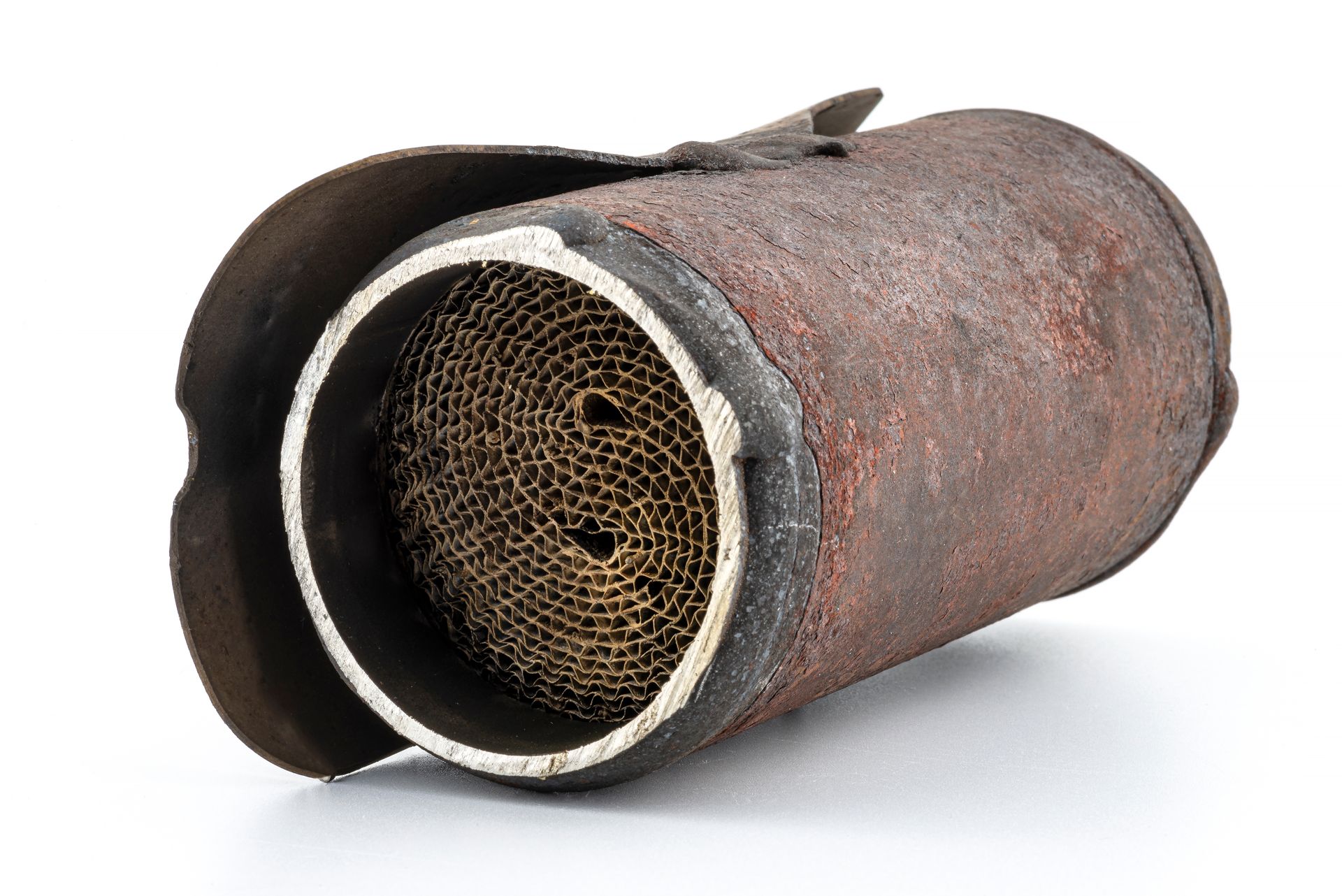
Letting the car sit for long periods at high idle wastes fuel and can actually create more raw fuel and moisture in the exhaust system. That extra moisture can build up in the muffler and pipes if the vehicle never gets fully up to temperature on the road. A short warm-up, followed by easy driving, is usually the best compromise between comfort and engine health.
How Long Is Enough on a Cold Morning?
On a typical cold morning, giving the engine about thirty seconds to a couple of minutes to settle is usually enough. That brief window lets oil pressure build, idle speed stabilize, and windows start to clear. After that, light driving at low to moderate speeds warms the engine, transmission, and drivetrain more evenly than extended idling.
If temperatures are extremely low, you may add a bit more time, especially to clear glass and confirm everything feels normal. The key is to avoid revving the engine hard or flooring the accelerator while it is still cold. Gentle acceleration and keeping the revs modest for the first few miles does far more for longevity than idling for a long time in your driveway.
Bad Warm-Up Habits to Avoid
Some common cold-morning routines actually make things harder on the vehicle instead of easier:
- Letting the car idle for ten to twenty minutes in place instead of driving gently after a short warm-up
- Repeatedly revving the engine high right after start-up to “help it warm faster”
- Driving aggressively as soon as you leave the driveway, before coolant and oil are at normal temperature
- Ignoring thick frost or snow on the glass and relying only on the heater, which keeps the car idling longer than necessary
- Letting a car sit for long periods with old oil that is already contaminated, then expecting it to protect well on cold starts
Avoiding these habits helps reduce fuel waste, carbon buildup, and unnecessary wear on internal parts.
A Simple Cold-Start Routine That Helps Your Engine
You do not need a complicated process to treat the car kindly on cold mornings. A straightforward routine looks like this:
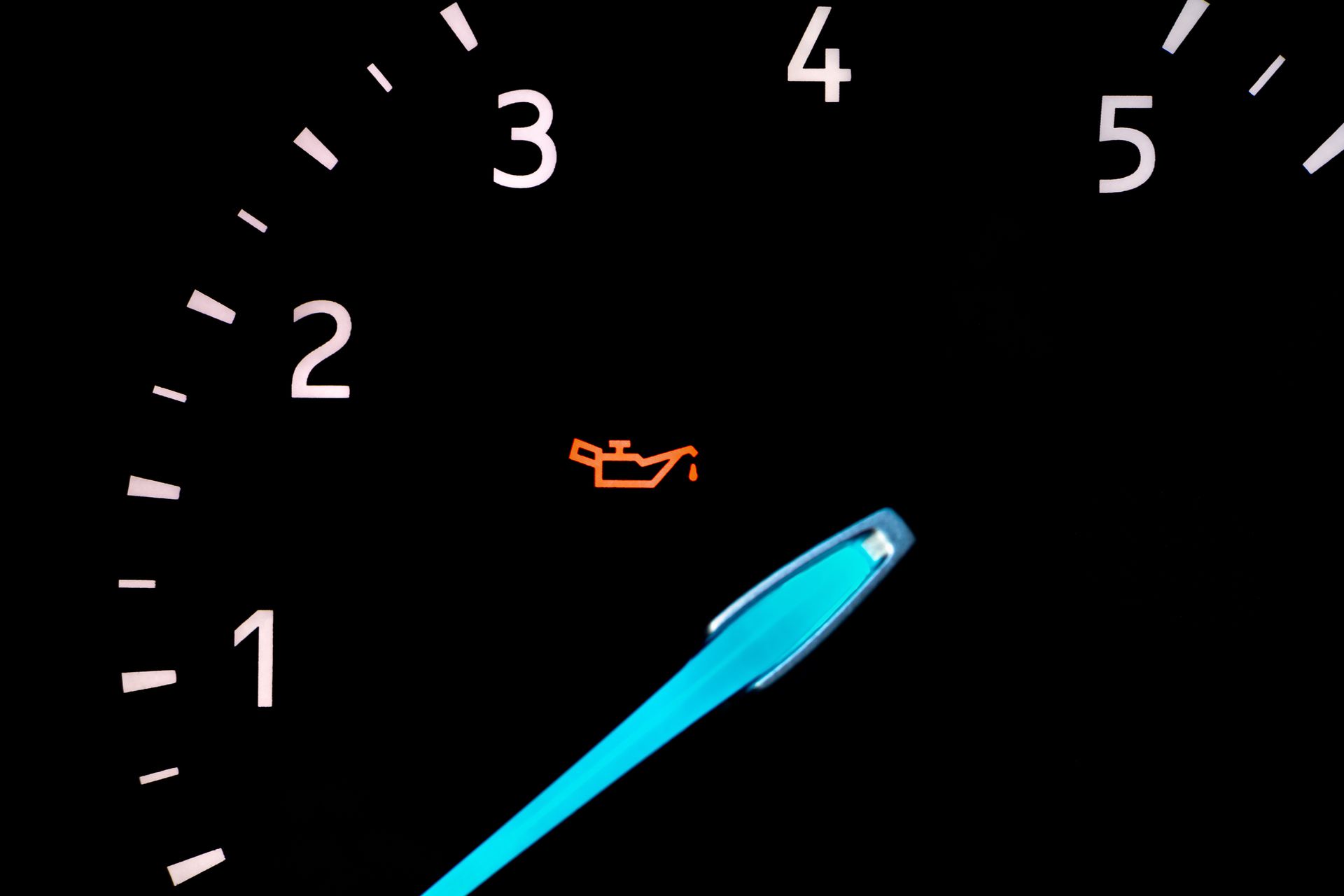
- Start the engine, confirm that warning lights cycle normally, and let it idle for a short period
- Use that time to clear windows, brush off snow, and make sure lights are visible
- Once idle smooths out, begin driving gently, keeping speeds and rpm moderate for the first few miles
- Avoid heavy throttle, high revs, or sudden full-power climbs until the temperature gauge is at its normal position
- If something feels unusual, such as strong hesitation or strange noises, ease off and have it checked rather than pushing through
This pattern warms the entire drivetrain, including transmission and differential, more effectively than idling alone.
When Cold-Start Problems Mean Something Is Wrong
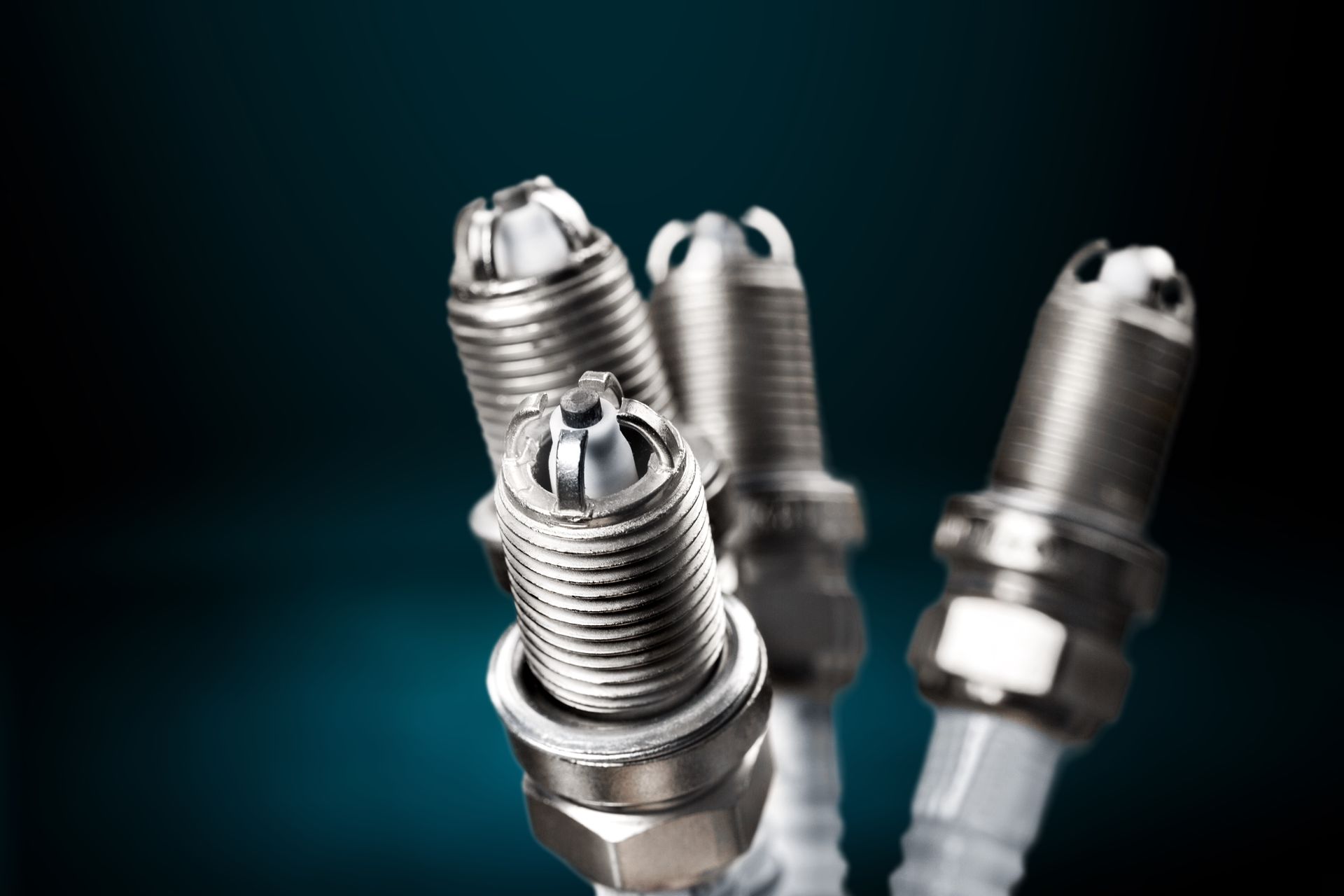
If cold mornings always come with hard starting, long cranking, strong fuel smells, or rough running that does not clear quickly, there may be an underlying issue. Weak batteries, tired spark plugs, dirty fuel systems, or sensor problems can all make cold starts much more difficult than they should be. You might also notice warning lights that appear only on colder days, then disappear once the engine warms.
Those patterns are worth mentioning during a service visit. A properly maintained car should still start reasonably quickly and run smoothly after a short warm-up, even when it is cold outside. Fixing weak components before winter sets in is usually cheaper and less stressful than finding out something has failed on a frosty morning when you are already late.
Get Cold-Weather Car Care in Broomfield, CO with Rocky Mountain Car Care
We can check your battery, fluids, ignition system, and sensors so your car starts reliably on cold mornings without long idle times. We will walk you through a warm-up routine that fits your vehicle and driving, and point out any issues that should be handled before winter weather settles in.
Call
Rocky Mountain Car Care in Broomfield, CO, to schedule cold-weather maintenance and make those chilly starts easier on you and your engine.