Imagine a world where your car's wheels just limped along the road, solely dependent on their roundness to roll you to your destination. Sounds incredible, right? That's because we often overlook the silent powerhouse responsible for converting engine power into wheel movement – the axle.
The Backbone of Vehicle Mobility
At its core, an axle is a rod or shaft that connects the wheels of your vehicle. But it's not just a passive piece of metal - it's the crucial link in the chain that transmits power from your car's engine to its wheels. Without it, your wheels would be lifeless disks, unable to respond to your steering wheel's commands or the demands of an incline.
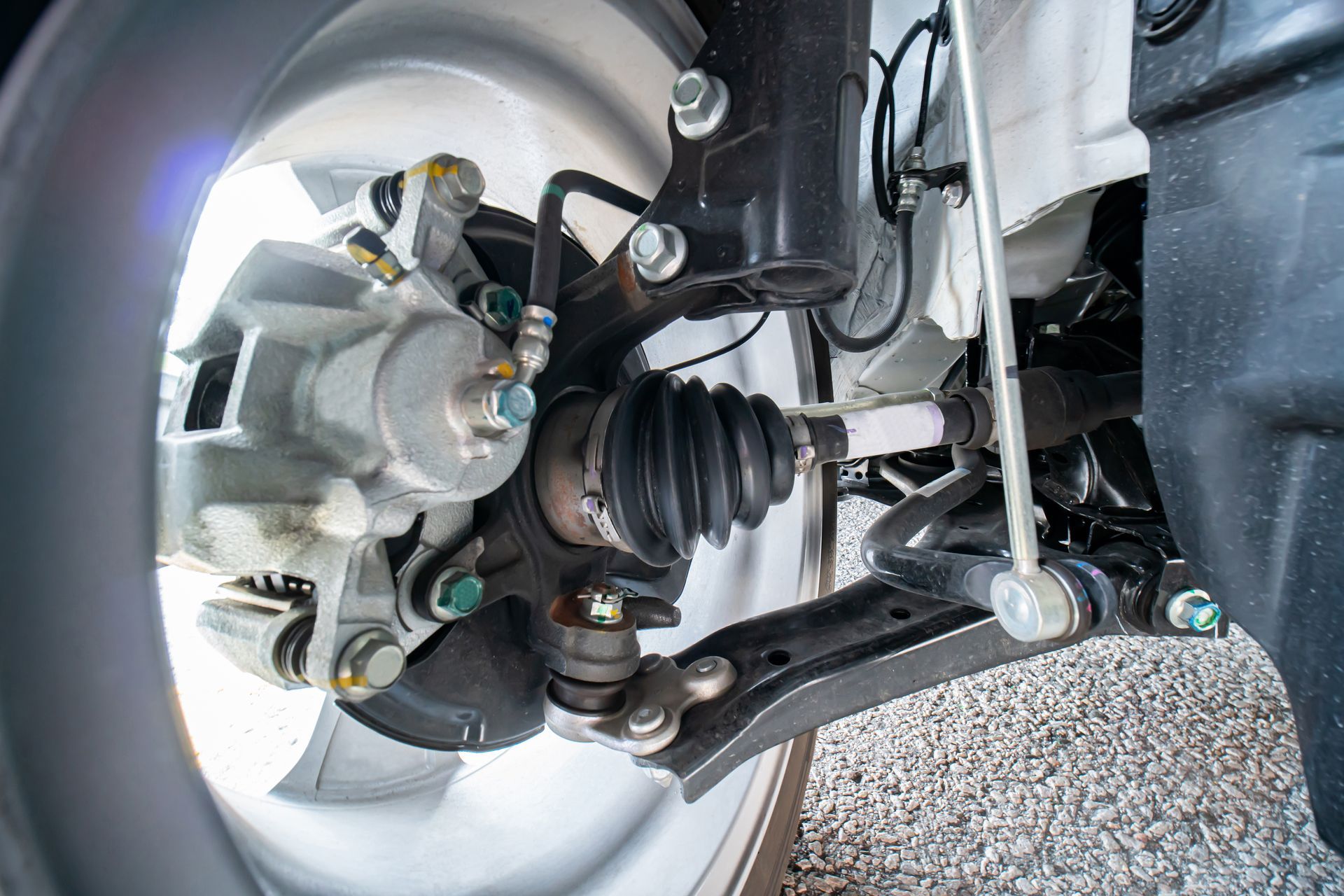
In vehicles with front-wheel drive, the axles are part of a complex system involving CV joints (constant-velocity joints) that allow for flexibility as you steer and navigate through different terrains. Meanwhile, rear-wheel-drive cars have axles that are responsible for bearing the vehicle's weight and managing torque transfer.
The design intricacies ensure that no matter how you twist and turn, accelerate or brake, your vehicle's axles are up for the task. They provide stability while cornering and absorb shocks from road imperfections - acting both as loyal workhorses and subtle comfort providers.
Different Types for Different Rides
There isn't just one type of axle; there are several - each designed for specific vehicle types and functions. The most common are:
- Live Axle
A sturdy companion for heavy-duty vehicles, this type keeps the wheels in a fixed position relative to each other, delivering consistent power.
- Dead Axle
Not connected to the engine, this type merely supports part of the vehicle's weight and is perfect for trailers or multi-axle trucks.
- Tandem Axle
Two axles close together provide better support over uneven ground – think large trucks and buses that need extra load management.
Each type has its place and purpose within different vehicular designs, ensuring everything from compact cars to massive semi-trucks can traverse our roadways effectively.
Maintenance Matters
Taking care of your axles should be part of your regular vehicle maintenance routine. Because if an axle fails mid-journey, it could lead to a hazardous situation where control is compromised. Periodic checks by professionals can detect wear and tear before it becomes dangerous. Keep those ears open too; clicking sounds when turning can indicate joint issues. Prompt attention could save you from more than just inconvenient breakdowns.
Frequently Asked Questions (FAQs)
Q1: Can I drive with a broken axle?
It's unsafe and almost impossible to drive with a completely broken axle since it interrupts power transmission to the wheels. If you suspect axle damage, consult a mechanic immediately.
Q2: How long does an axle last?
Typically, axles are built to last very long – often up to the lifespan of your car under normal conditions. However, rough driving can reduce their life expectancy.
Q3: What is an axle repair cost?
The cost can vary based on vehicle type and extent of damage, but expect anywhere from $500 to $1000 per axle on average. For exact costs, get a quote from a trusted repair shop.
Have you checked up on your axle recently - or on your vehicle in general? Well, if you haven't, Rocky Mountain Car Care is here to help out! The only thing you need to do is a simple appointment!