
Have you ever noticed that your car's performance seems to falter when driving through The Rocky Mountains? It's not just your imagination. Engines genuinely struggle at higher altitudes. Understanding why this happens can help you better prepare for trips and ensure your vehicle remains in optimal condition no matter where you drive. We'll explore the reasons behind this phenomenon and what you can do to mitigate its effects.
The Science Behind Engine Power Loss
The primary reason engines lose power at high altitudes boils down to one fundamental concept: air density. Air is composed of oxygen and other gasses, which are essential for combustion in internal combustion engines. As altitude increases, air pressure decreases, which means there's less oxygen available for the engine to mix with fuel. This reduction in oxygen leads to incomplete combustion, resulting in decreased power output.
Oxygen and Combustion
Engines rely on a precise balance of air and fuel to operate efficiently. This balance, known as the air-fuel ratio, is critical for generating the power needed to move your vehicle. At sea level, air is dense, and there is ample oxygen to mix with fuel, allowing the engine to perform at its best. However, at higher altitudes, the air is thinner, meaning fewer oxygen molecules are available for combustion. This imbalance causes the engine to produce less power because it cannot burn fuel as efficiently.
Impact on Turbocharged and Naturally Aspirated Engines
Both turbocharged and naturally aspirated engines experience power loss at high altitudes, but the effects vary between the two types. Naturally aspirated engines, which rely on atmospheric pressure to draw air into the cylinders, are more significantly affected. The reduced air density at higher altitudes means these engines can't draw in enough oxygen, leading to noticeable drops in power.
Turbocharged engines, on the other hand, use a turbocharger to force more air into the cylinders, somewhat compensating for the lower air density. While they still experience power loss, the impact is less severe compared to naturally aspirated engines. The turbocharger helps maintain a higher air intake, although it also has limits and can't entirely counteract the effects of high altitude.
Adjustments and Modifications for High Altitude Driving
Manufacturers often include altitude compensation systems in modern vehicles to help manage performance issues at varying altitudes. These systems automatically adjust the air-fuel mixture and ignition timing to optimize engine performance. However, older vehicles or those without sophisticated engine management systems might require manual adjustments or modifications for better high-altitude performance.
One common adjustment is to recalibrate the engine control unit (ECU) to account for the reduced oxygen levels. This recalibration can help restore some lost power by optimizing the air-fuel ratio for higher altitudes. Additionally, installing a high-altitude performance chip can improve throttle response and overall engine efficiency.
Preventive Maintenance and Driving Tips
Ensuring your vehicle is well-maintained is crucial for high-altitude driving. Here are some tips to help your engine perform better:
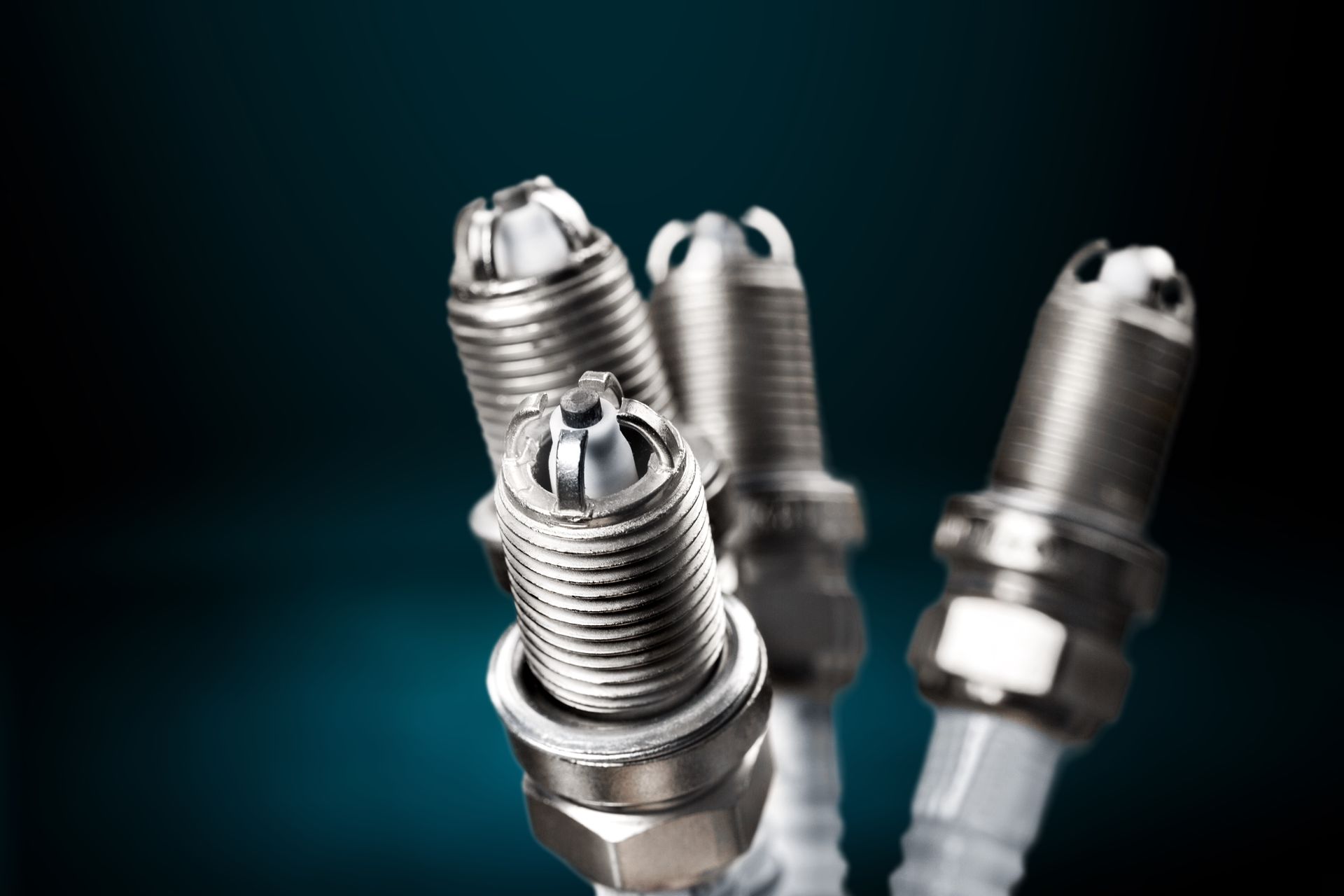
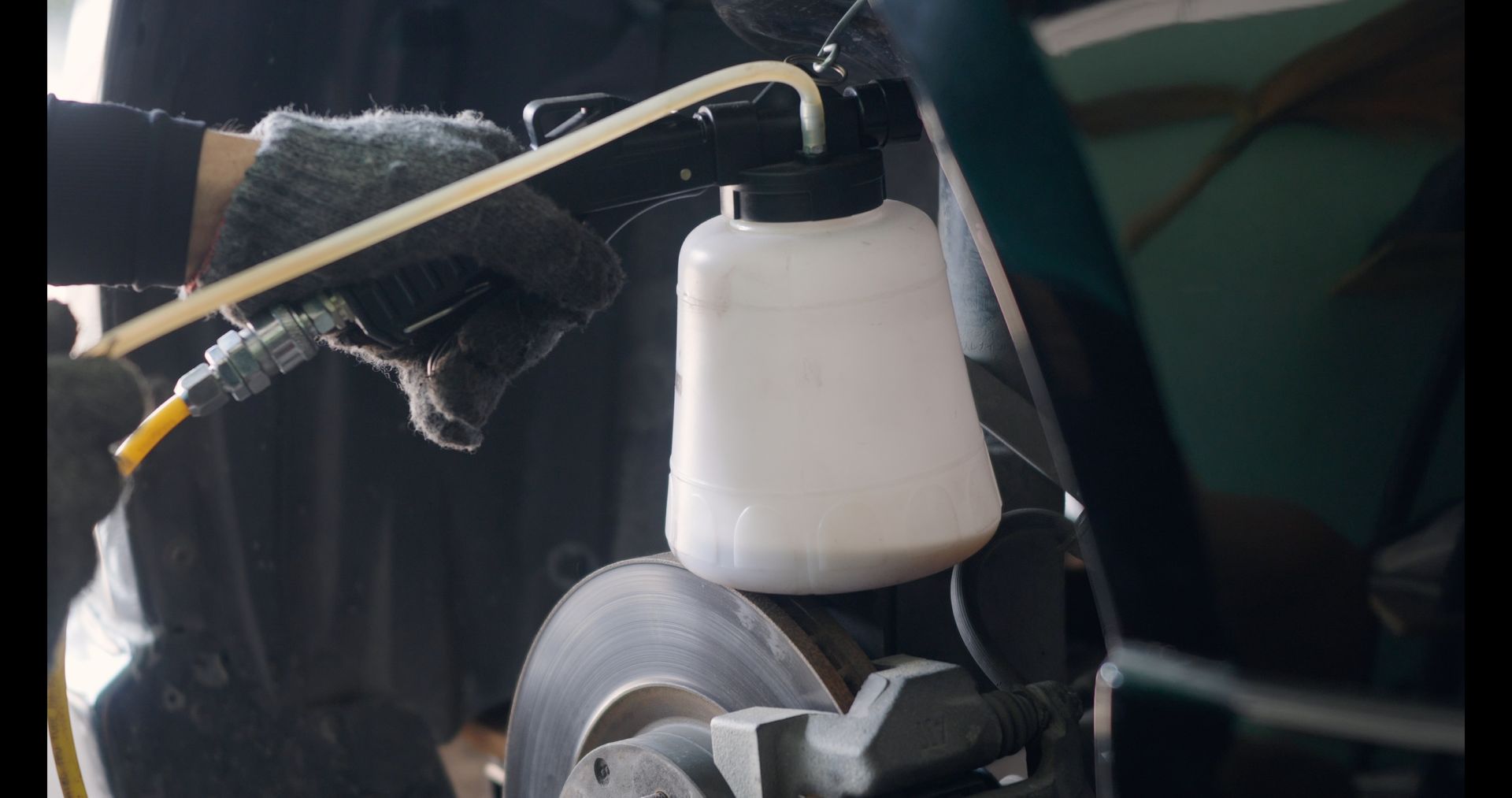
- Regular Maintenance: Keep up with regular maintenance schedules, including oil changes, air filter replacements, and spark plug inspections. Clean air filters are especially important as they ensure maximum airflow to the engine.
- Fuel Quality: Use high-quality fuel to ensure the best combustion possible. At higher altitudes, lower octane fuels can exacerbate power loss.
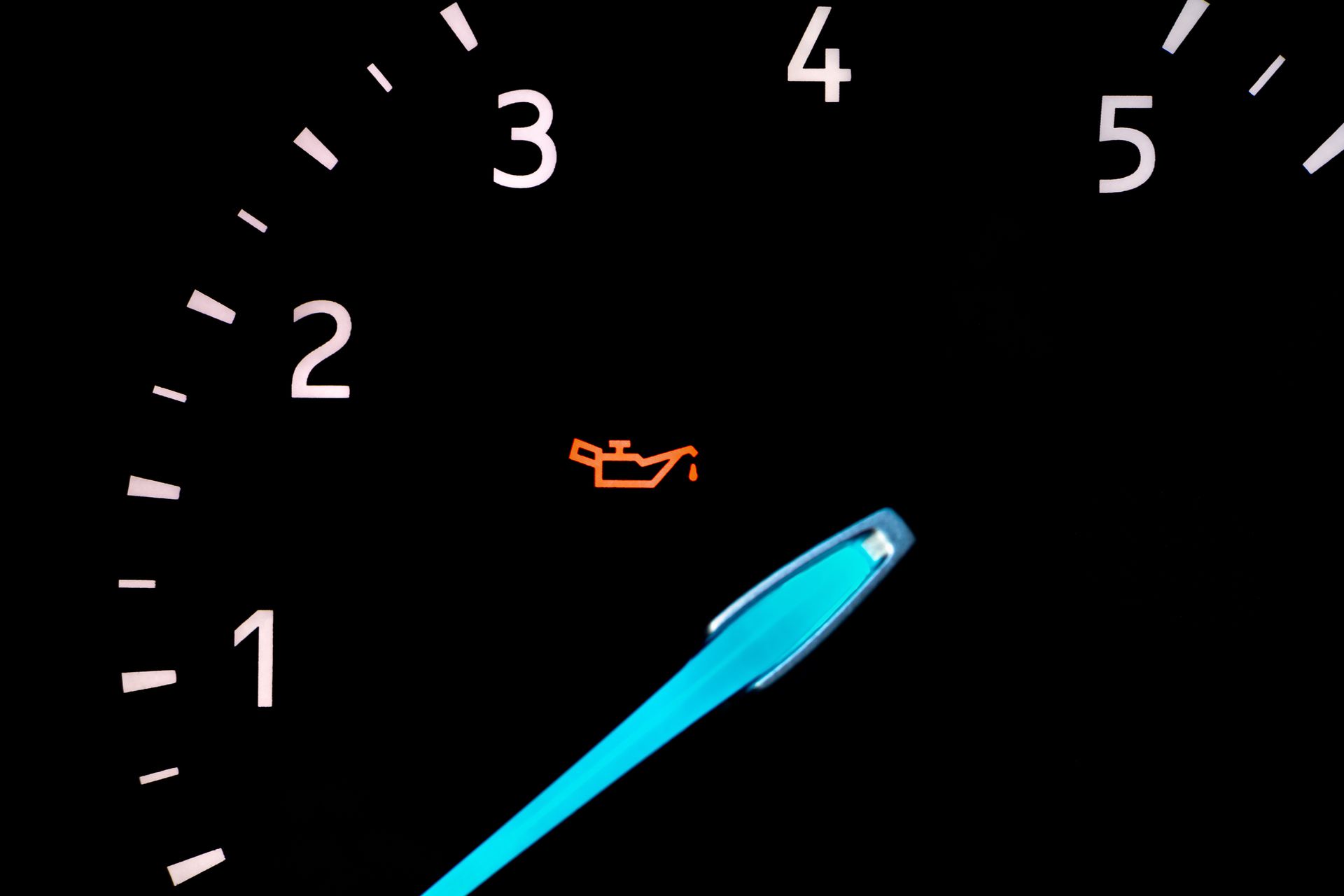
- Monitor Engine Performance: Pay attention to how your engine behaves at different altitudes. If you notice significant power loss, consider having your vehicle checked by a professional.
- Drive Smart: Be mindful of your driving habits. Gradual acceleration and maintaining a steady speed can help mitigate power loss and improve fuel efficiency.
Is your vehicle ready for high-altitude adventures? Visit Rocky Mountain Car Care for a comprehensive inspection and maintenance service. Our expert technicians will ensure your car performs at its best, no matter the altitude. Schedule your appointment today!