A catalytic converter does its work quietly under the vehicle, so most drivers do not think about it until a warning light comes on or the car starts acting strangely. It helps clean up exhaust before it leaves the tailpipe, but it also depends on the engine running correctly.
When a catalytic converter starts failing, the symptoms can appear as engine, exhaust, or fuel system trouble. That is why our technicians look at the full picture before blaming the converter itself.
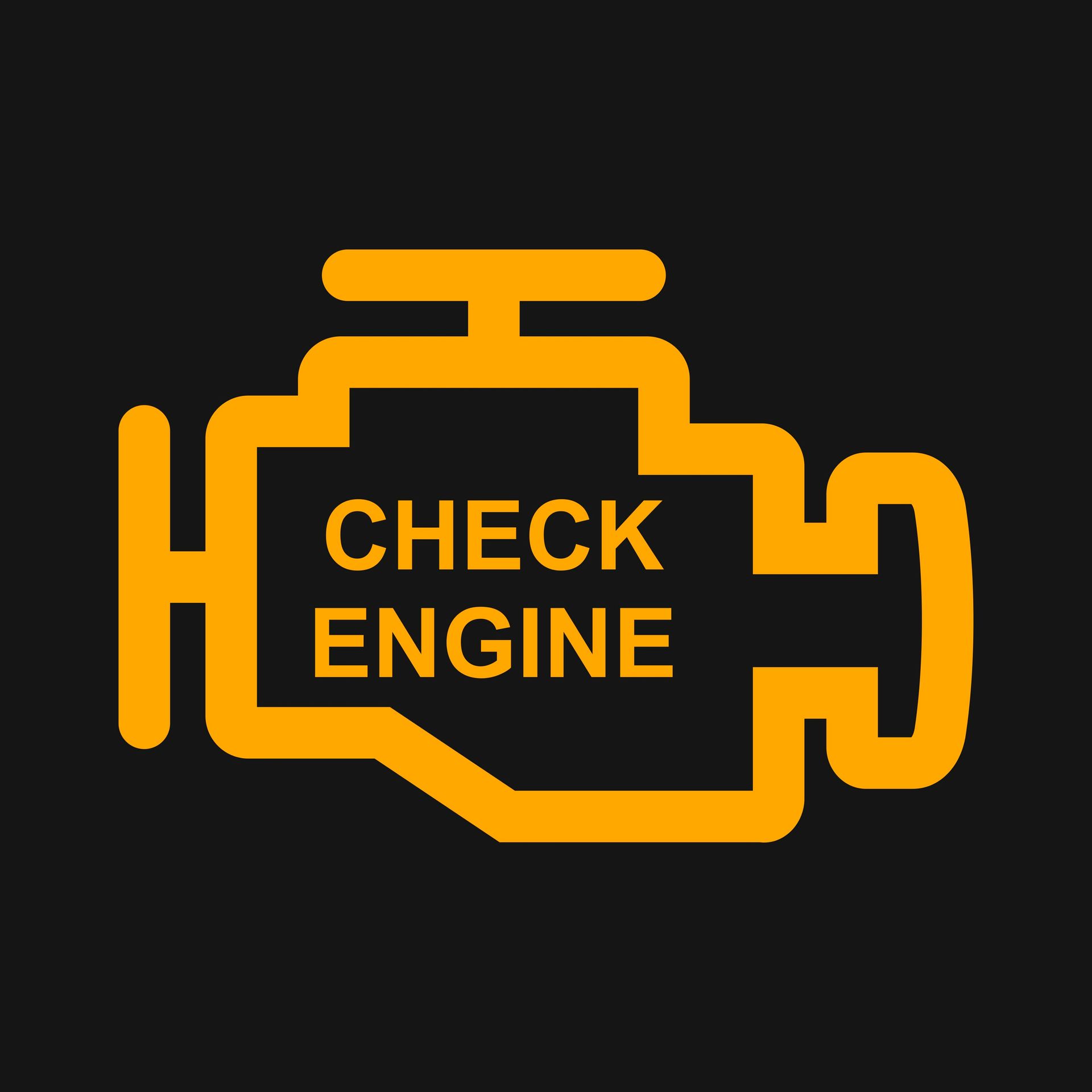
1. The Check Engine Light Comes On
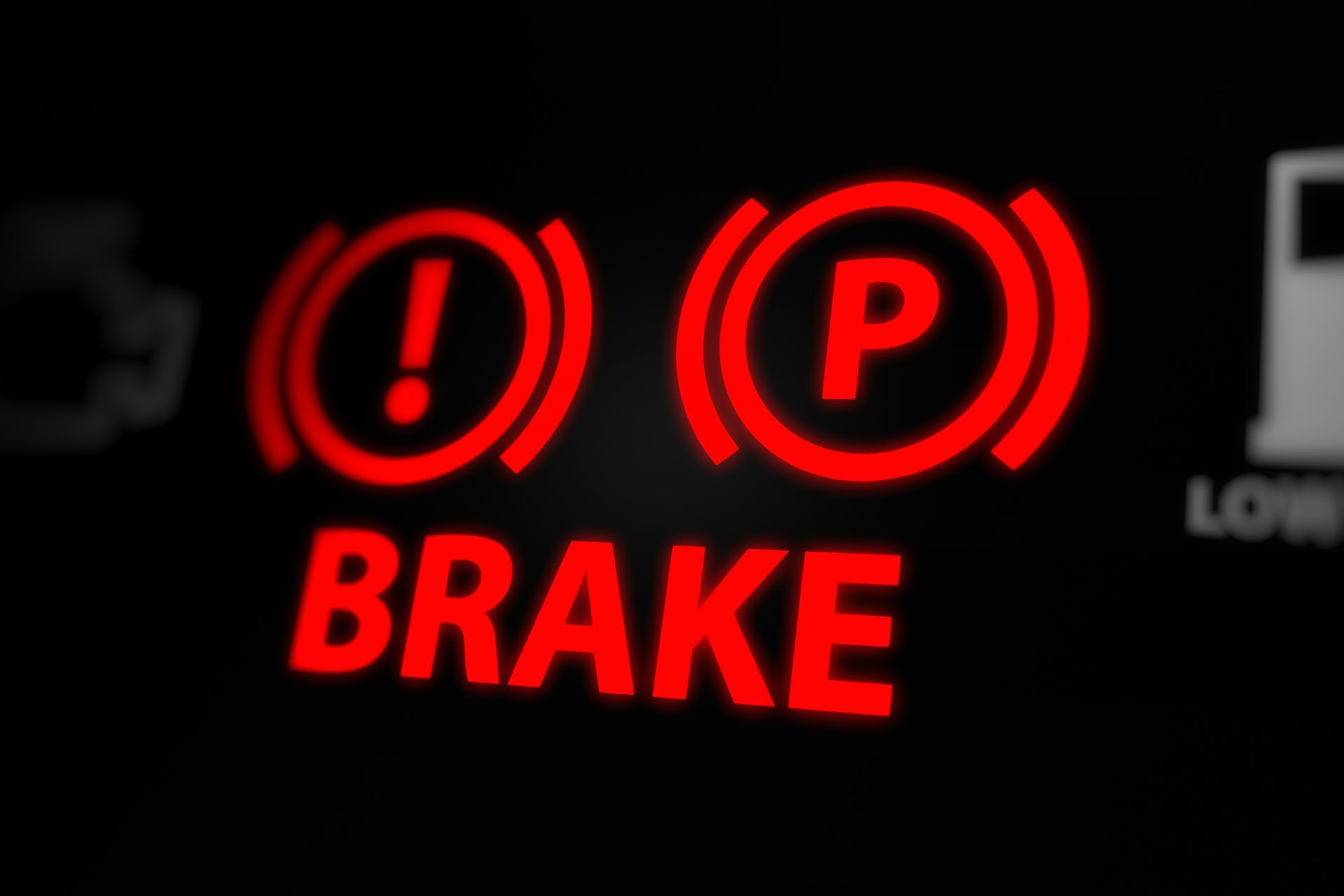
A check engine light is one of the most common signs tied to catalytic converter problems. The vehicle’s computer watches converter efficiency through oxygen sensor readings. If the converter is not cleaning the exhaust well enough, the computer can store a fault and turn on the light.
That does not automatically mean the converter is the only failed part. A bad oxygen sensor, misfire, exhaust leak, fuel mixture problem, or oil-burning issue can create similar warnings. Clearing the light or replacing one part without testing can send the repair in the wrong direction.
2. The Car Feels Weak During Acceleration
A clogged or failing catalytic converter can restrict exhaust flow. When exhaust cannot escape freely from the engine, the engine has a harder time breathing. The result can feel like weak acceleration, poor throttle response, or a car that struggles more than it should when climbing hills.
Some drivers describe it as the engine feeling held back. The vehicle might start and idle, but it does not pull as well as it used to. That loss of power warrants an inspection because a restricted exhaust can put extra strain on the engine.
3. Fuel Economy Starts Dropping
A bad catalytic converter can affect fuel economy, especially when it is connected to a larger engine performance problem. If the engine is misfiring, running rich, or sending unburned fuel into the exhaust, the converter can overheat and lose efficiency. At the same time, the vehicle may use more fuel than usual.
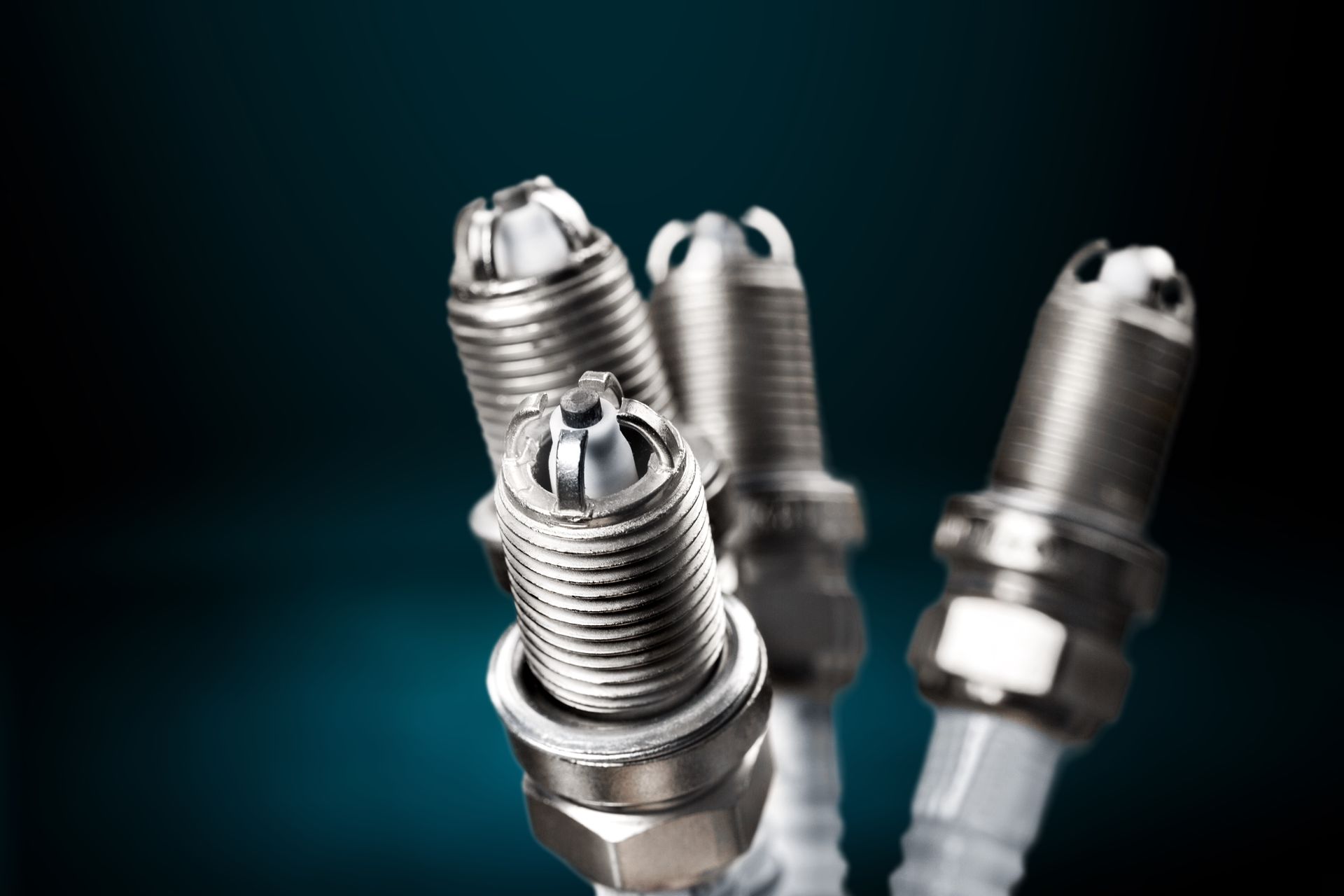
Lower mileage by itself does not prove the catalytic converter is bad. Tire pressure, spark plugs, oxygen sensors, airflow problems, and driving habits can all change fuel use. Still, if fuel economy drops and a check engine light or poor acceleration appears, the exhaust and engine management systems need to be checked together.
4. Rotten Egg Or Sulfur Smell From The Exhaust
A rotten egg smell can indicate exhaust gases that are not being properly processed. The odor is usually tied to sulfur compounds in the fuel and exhaust. If the catalytic converter is not doing its job, that smell can become more noticeable from the tailpipe or around the vehicle after driving.
This smell should not be ignored, especially if it is accompanied by rough running or a dashboard warning light. A converter can be damaged by problems upstream, so the repair is not always as simple as replacing the converter. We investigate the cause of the smell before recommending the next step.
5. Rattling Noise Under The Vehicle
A rattling sound from underneath the vehicle can occur when the material inside the catalytic converter starts to break apart. The internal structure can become loose from age, heat damage, impact, or long-term engine problems. The noise might be easier to hear at startup, while idling, or when tapping lightly near the exhaust during a shop check.
A broken internal converter can create more than noise. Pieces can restrict exhaust flow or reduce converter efficiency. If the rattle is coming from the converter, waiting can make the vehicle run worse and lead to more exhaust work.
6. The Vehicle Fails An Emissions Test
A failed emissions test can point directly toward catalytic converter trouble, but it can also reveal another problem that is causing the converter to work harder than it should. Misfires, bad sensors, fuel control issues, vacuum leaks, and oil consumption can all affect tailpipe emissions.
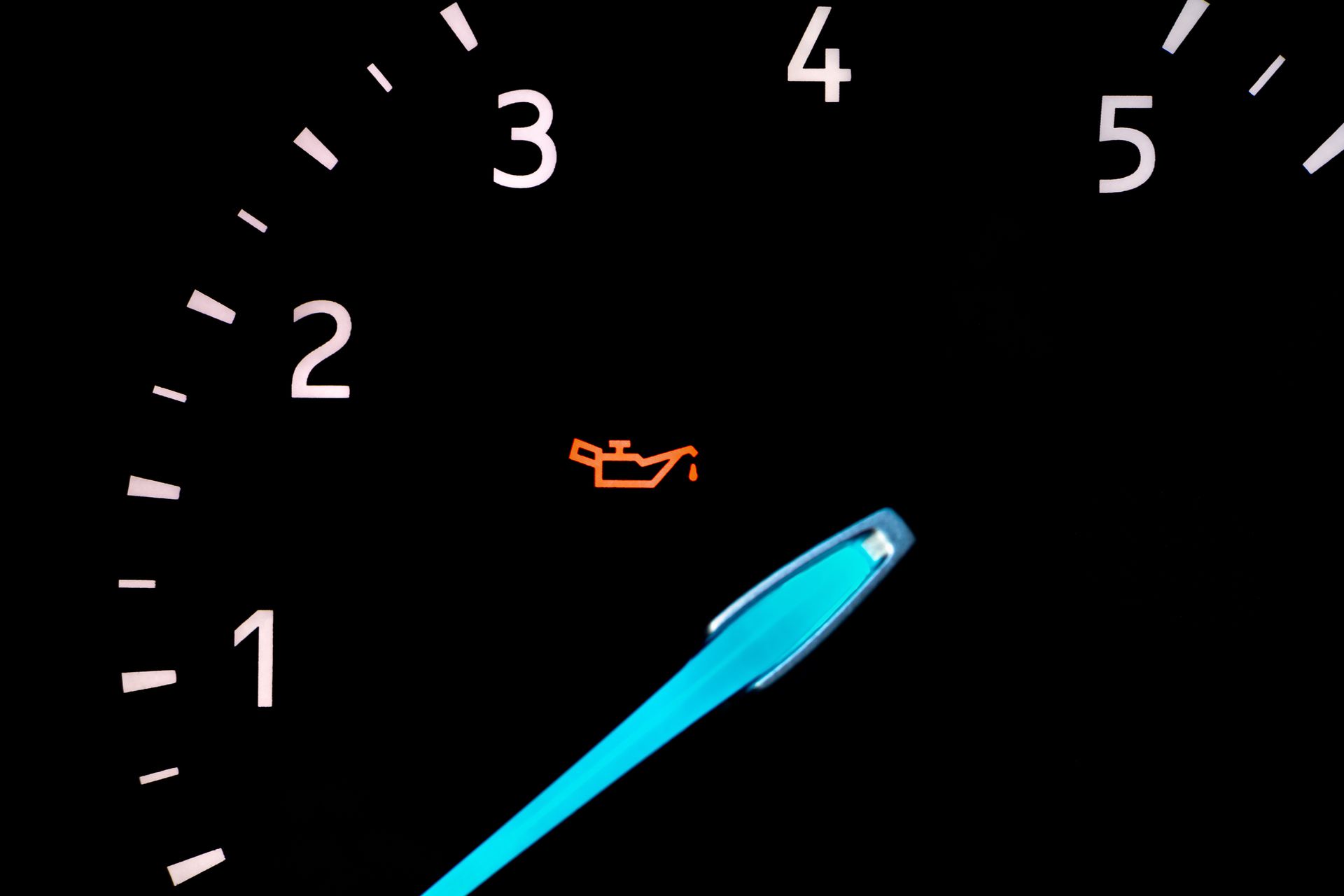
The converter is near the end of the process, so it often gets blamed first. The smarter approach is to test the engine, sensors, exhaust, and stored fault data before deciding what failed. Regular maintenance helps catch spark plug wear, fluid leaks, and engine performance problems before they shorten converter life.
Get Catalytic Converter Service In Broomfield, CO, With Rocky Mountain Car Care
If your vehicle has a check engine light, a sulfur smell, rattling exhaust, weak acceleration, or a failed emissions test, Rocky Mountain Car Care in Broomfield, CO, can inspect the system to determine whether the catalytic converter is the cause.