A check engine light can be confusing when the car still feels normal. It starts, idles, and accelerates fine, and nothing sounds different. That makes the warning easy to push aside, especially when daily driving does not seem affected.
The tricky part is that your vehicle can detect trouble before you can feel it. The computer constantly monitors the fuel mixture, emissions systems, ignition performance, airflow, temperature, and sensor behavior. When one reading moves outside the expected range, the light can come on before the problem becomes obvious from behind the wheel.
The Computer Sees Changes Early
Modern vehicles are built to monitor small changes in engine and emissions operation. A sensor can start reading slowly, a fuel trim can move too far, or a small vapor leak can appear without changing how the car feels. The check engine light turns on because the system has already noticed a pattern.
That early warning is useful. It gives you time to respond before the symptom becomes rough running, poor fuel economy, harder starting, or a failed emissions test. Ignoring the light because the car feels fine gives the problem more time to grow.
Small Emissions Leaks Can Trigger The Light
One common reason a car feels fine with the check engine light on is an EVAP system issue. The EVAP system keeps fuel vapors from escaping into the air. A loose gas cap, cracked hose, stuck purge valve, weak vent valve, or small leak can trigger the light without making the engine run badly.
Drivers sometimes assume every check engine light indicates an engine problem. EVAP faults prove that it is not always the case. The car may drive normally, but the system still is not passing its self-checks. A smoke test or system check can help locate the leak instead of replacing parts at random.
Oxygen Sensors And Fuel Trim Problems Can Be Quiet
Oxygen sensors help the engine computer adjust fuel delivery based on exhaust readings. If a sensor slows down or the fuel mixture starts drifting, the vehicle may compensate for a while. From the driver’s seat, everything can seem normal.
The fuel tank may tell a different story. Lower mileage, stronger exhaust smell, or a light that returns after being cleared can point toward a fuel control issue. An oxygen sensor code does not always mean the sensor failed, though. Vacuum leaks, exhaust leaks, fuel delivery problems, and ignition wear can all affect what the sensor reports.
Early Misfires Are Easy To Miss
A misfire does not always shake the whole car right away. A mild misfire can show up only under load, during startup, or at certain speeds. The computer can detect the misfire before the driver feels a steady stumble.
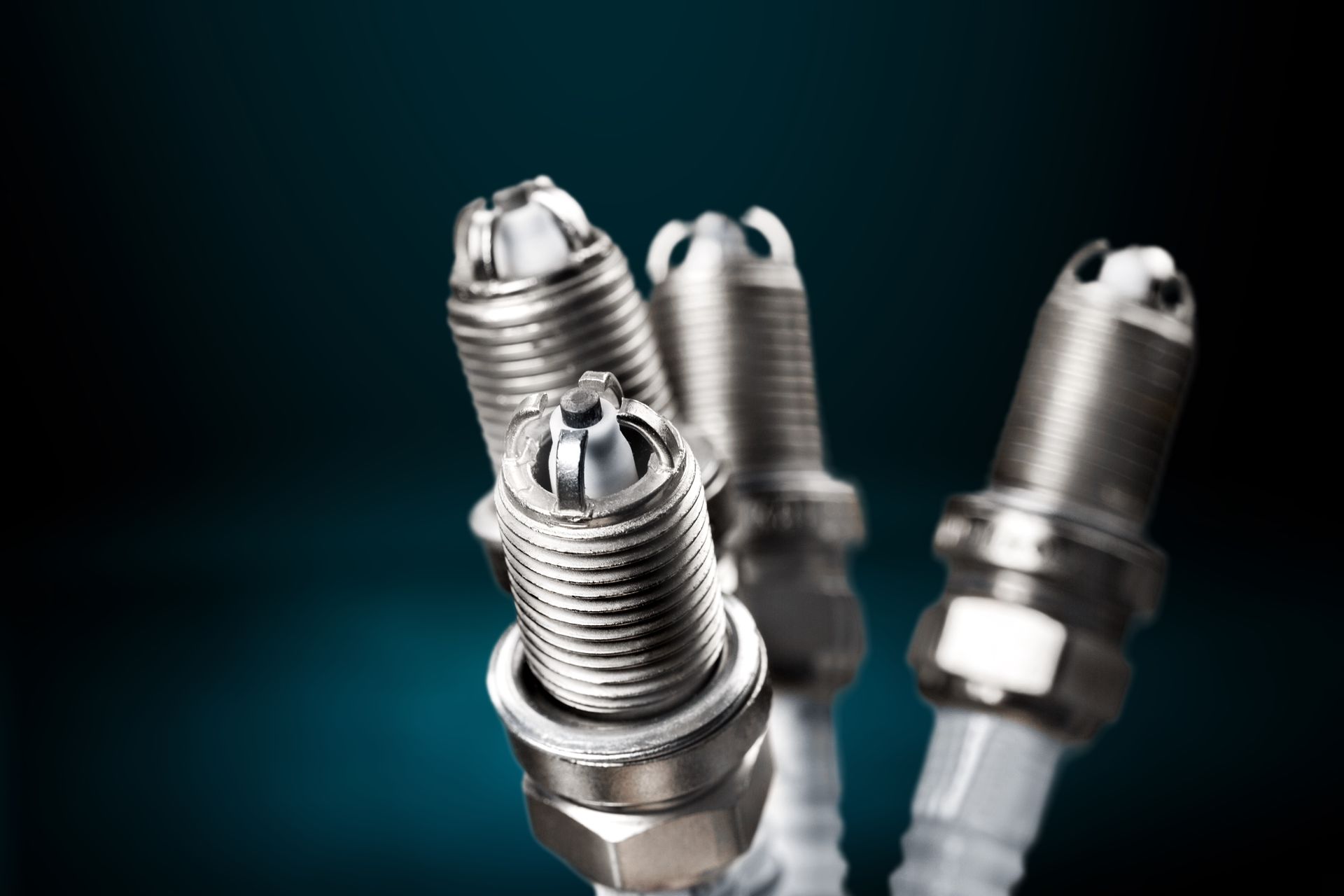
Spark plugs, ignition coils, fuel injectors, air leaks, and compression issues can all cause misfire codes. A flashing check engine light is more urgent because it usually indicates an active misfire. A steady light still needs attention, especially if the vehicle starts to idle roughly, hesitate, or smell like fuel.
A Catalytic Converter Code Needs Careful Testing
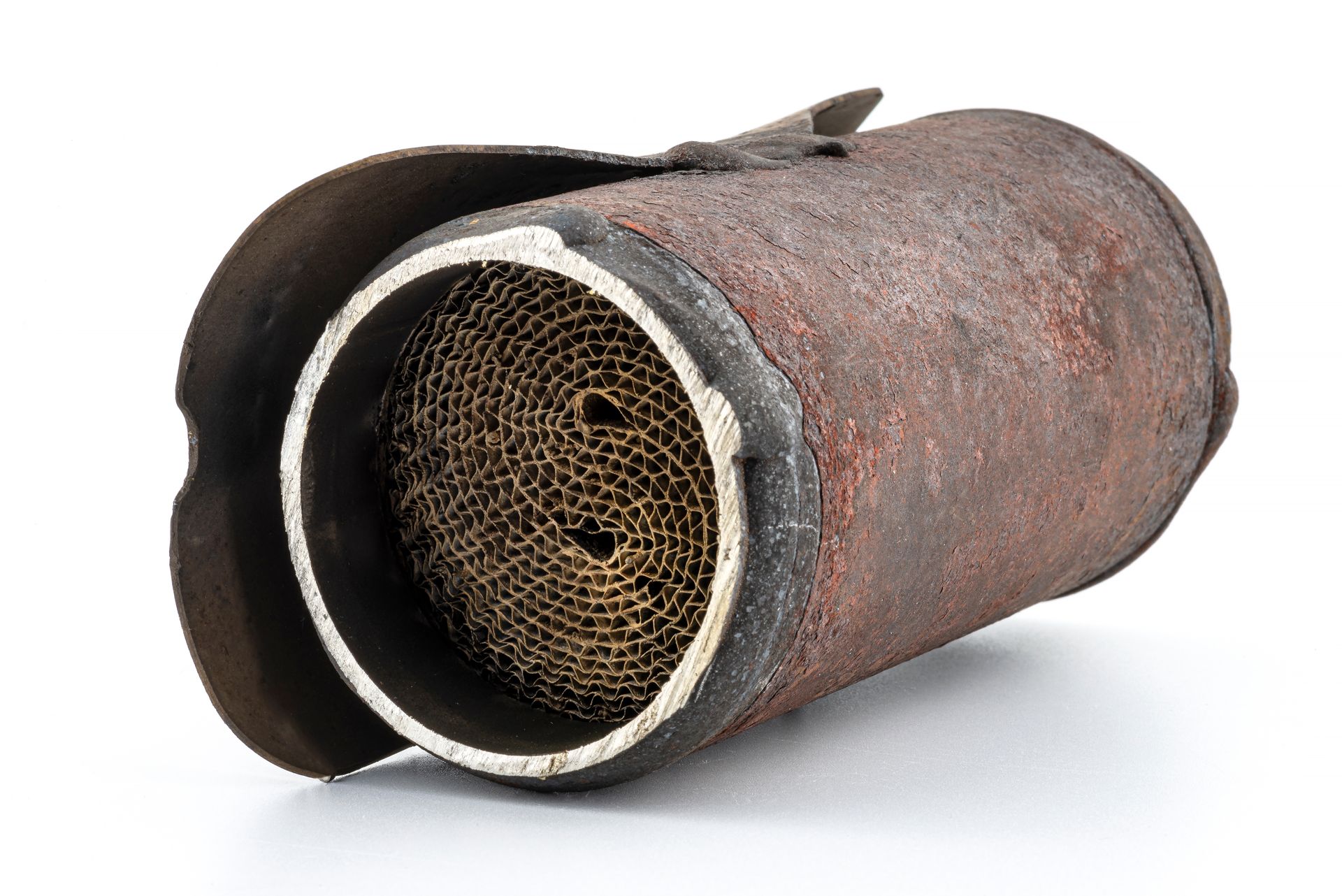
Catalytic converter codes can be stressful because the converter is an expensive part. The important detail is that the converter is not always the original cause. Misfires, rich fuel mixture, oil burning, coolant burning, or ignored sensor problems can damage it over time.
If the car feels fine, the converter may only be showing reduced efficiency during the computer’s self-test. That still needs an inspection. Replacing the converter without finding out why the code appeared can lead to the same warning later.
Clearing The Light Does Not Solve The Problem
Clearing a check engine light can make the dashboard look better for a short time, but it does not repair anything. If the issue persists, the light will return once the vehicle runs its checks again. It can also erase useful information that helps with diagnostics.
Freeze-frame data, pending codes, and readiness monitor status can help show what was happening when the fault appeared. Losing that information can make it harder to track. Regular maintenance helps reduce many warning-light problems, but once the light is on, testing is the next best step.
Why It Is Smart To Check It While The Car Feels Fine
The best time to handle a check engine light is before the car starts driving badly. When the symptom is still early, the repair is usually easier to narrow down. Waiting for rough idle, stalling, power loss, or poor fuel economy only gives the problem more time to affect other parts.
A proper diagnostic check should include stored codes, live data, freeze-frame information, related system testing, and a look at the basics. That means battery voltage, air intake condition, vacuum leaks, ignition parts, fuel control, and emissions components all need to be considered when the data points are there.
Get Check Engine Light Diagnostics In Broomfield, CO, With Rocky Mountain Car Care
If your check engine light is on but your car still feels fine, Rocky Mountain Car Care in Broomfield, CO, can test the system and find out what the warning is trying to tell you.