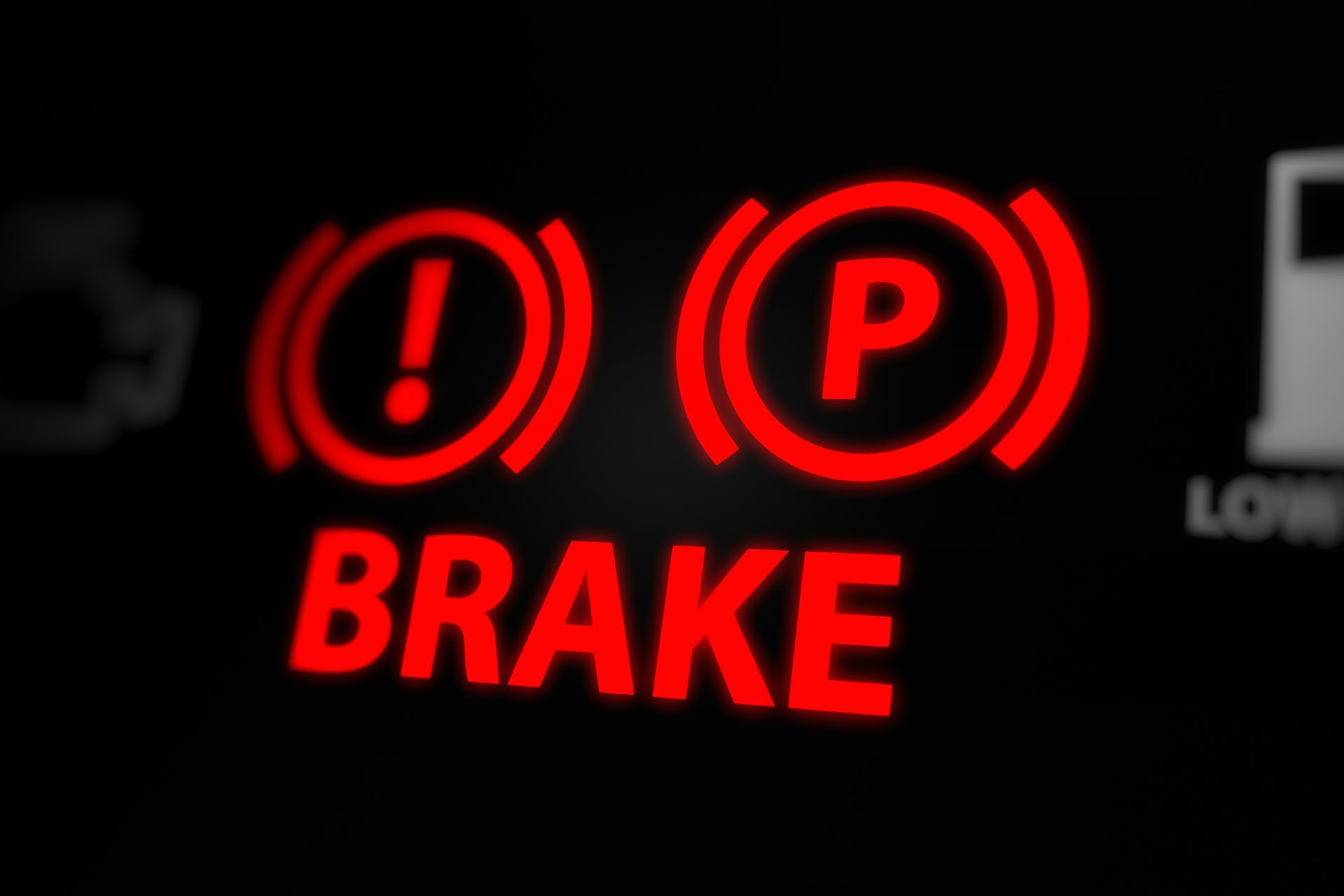
Mountain driving is not the same as driving across flat city streets. The brakes are not just slowing the car at stoplights now and then. They may be holding speed on long downhill grades, managing tight curves, dealing with extra vehicle weight, and working while the engine, tires, and suspension are all under more load than normal.
That is why brake wear can feel different for drivers who spend time near the foothills or take regular trips into the mountains. A brake system that seems fine around town can feel hot, noisy, shaky, or less confident after one long descent. The mileage on the brake pads only tells part of the story. Heat tells the rest.
Mountain Roads Turn Brakes Into Heat Machines
Every time you slow a vehicle, the brakes turn motion into heat. On flat roads, the brakes often get time to cool between stops. On a mountain descent, they may be used over and over again with very little break.
That heat has to go somewhere. Pads, rotors, calipers, brake fluid, and nearby hardware all absorb it. If the brakes are already worn, the fluid is old, or a caliper is sticking, mountain driving can quickly expose the weakness.
The problem is not only pad thickness. A pad can still have material left and still perform poorly if it has been overheated, glazed, or paired with a rotor that has heat damage. Mountain driving demands a healthy brake system, not just barely usable.
Why Downhill Braking Is So Hard On Parts
Long downhill roads create a different kind of brake stress. Instead of one firm stop, the brakes may be dragged lightly for minutes at a time. That constant friction can raise temperatures faster than many drivers expect.
Riding the brake pedal is especially hard on the system. Even light pressure keeps the pads touching the rotors, which builds heat and can lead to brake fade. Brake fade happens when the brakes get so hot that stopping power drops and the pedal may feel less reassuring.
Using lower gears on descents can help. Engine braking lets the drivetrain help control speed, so the brakes don't have to do all the work. That does not replace brake maintenance, but it can keep heat under better control.
Brake Fade Is A Warning You Should Respect
Brake fade can feel scary because the vehicle may not slow the way it did earlier in the drive. The pedal may feel normal at first, but the stopping response is weaker. In some cases, the pedal can feel longer or softer if old brake fluid gets hot enough to create vapor.
A hot brake smell after a descent is another clue. So is smoke near a wheel, a burning odor, or a pedal that feels worse after repeated braking. If one wheel smells hotter than the others, a sticking caliper or a dragging brake may be the cause.
Once brakes have overheated, they should be checked. Heat can change the surfaces of pads and rotors, damage hardware, stress seals, and expose fluid that is past its best-by date.
Pads, Rotors, And Fluid Wear In Different Ways
Brake pads get most of the attention, but mountain driving can be rough on several parts at once. Pads wear from friction. Rotors deal with repeated heating and cooling. Brake fluid has to resist boiling. Calipers and slide pins need to release properly so the pads do not drag.
A rotor that has been overheated may exhibit thickness variations, heat spots, or vibration during braking. Pads may become glazed and noisy. Old brake fluid may lose heat resistance because it has absorbed moisture over time. A caliper that does not release can turn one brake into a constant heat source.
This is why brake service should include more than a quick look through the wheel. The system needs to be checked as a group.
How To Help Your Brakes Last On Mountain Roads
Good driving habits can reduce heat and wear. They will not save worn-out brakes, but they can help a healthy system survive demanding roads.
- Use a lower gear before the descent gets steep, because waiting until the vehicle is already gaining too much speed forces the brakes to work harder.
- Brake firmly for a short time, then release when it's safe, rather than lightly dragging the pedal for long stretches. That gives the brakes more chance to cool.
- Pay attention to smells, vibration, or a pedal that changes during the drive. Those clues are easy to dismiss until the next downhill section asks for more stopping power.
- Do not ignore extra weight from passengers, cargo, bikes, trailers, or roof boxes. More weight means the brakes must convert more energy into heat.
- Schedule brake service before mountain trips if the pads are low, the fluid is old, the steering wheel shakes while braking, or the service history is unclear.
The best time to deal with questionable brakes is before the road points downhill.
What A Mountain-Ready Brake Check Should Include
A proper brake inspection should look at pad thickness, rotor condition, caliper movement, brake hoses, brake fluid, leaks, hardware, and road-test behavior. The goal is to know whether the system can handle heat, not just whether it can stop once in a parking lot.
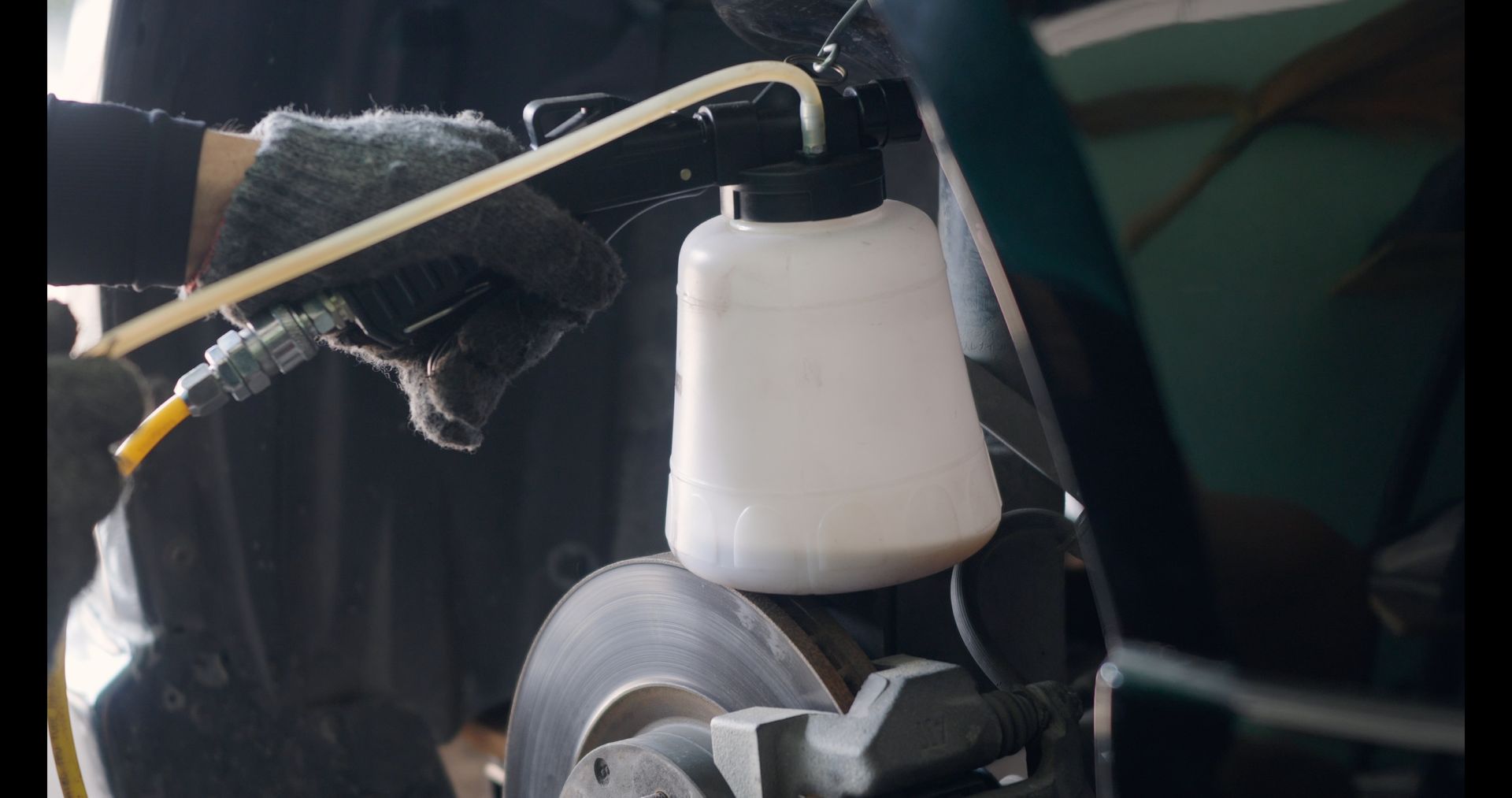
Brake fluid deserves special attention. Moisture-contaminated fluid may still feel fine around town, then perform poorly when the brakes get hot. If the fluid is old or dark, a brake flush may be recommended to improve heat resistance and protect hydraulic components.
Regular maintenance also helps catch uneven wear. A slightly sticking caliper can wear one pad faster, generate heat, and make the whole vehicle feel less stable during braking.
Get Brake Service In Broomfield, CO, With Rocky Mountain Car Care
If mountain driving has made your brakes smell hot, feel weak, vibrate, squeal, grind, or lose confidence on long descents, Rocky Mountain Car Care in Broomfield, CO, can check the brake pads, rotors, calipers, fluid, hoses, and hardware. For brake service before your next mountain drive, contact us to schedule an appointment.
Common Questions About Mountain Driving And Brake Service
Do Mountain Roads Wear Out Brake Pads Faster?
They can. Long descents, repeated braking, extra vehicle weight, and heat buildup can wear pads faster than flat-road driving, especially if the driver rides the brake pedal downhill.
Should I Get A Brake Fluid Flush Before A Mountain Trip?
It is smart to check the brake fluid before a mountain trip if it is old, dark, or has unknown service history. Fresh brake fluid helps the hydraulic system handle heat better than moisture-contaminated fluid.
What Should I Do If My Brakes Smell Hot After Driving Downhill?
Pull over safely and let the brakes cool if the smell is strong or the pedal feels different. After that, have the brake system checked because overheated pads, rotors, calipers, or fluid can pose greater safety risks.