An electronic parking brake that will not release can leave the vehicle stuck even when the engine starts, and the transmission shifts normally. The system uses electric motors, switches, sensors, wiring, and a control module instead of a traditional hand lever or foot pedal.
Some faults are electrical, while others come from seized brake components or low system voltage. Repeatedly pressing the switch or applying heavy throttle will not correct the cause and may overheat the parking brake motors, damage the rear brakes, or strain the drivetrain.
A Weak Battery Or Low System Voltage
Electronic parking brakes require adequate battery voltage to operate their motors and control circuits. A weak battery may still power the dashboard and interior lights while failing to provide enough current to release both rear brakes.
Low voltage is especially common after the vehicle has been parked for several days, exposed to cold weather, or started with a battery near the end of its service life. Drivers may also notice slow engine cranking, flickering lights, multiple warning messages, or electrical features operating inconsistently.
A battery test should measure available capacity rather than voltage alone. Technicians also check the charging system, battery terminals, grounds, and cable resistance. Jump-starting may temporarily release the brake, but the battery or charging fault still needs to be corrected.
A Failed Parking Brake Switch
The console switch sends the driver’s request to the electronic parking brake control module. If the switch contacts wear, become contaminated, or lose their electrical connection, the module may never receive the release command.
Some vehicles display a parking brake fault message when the switch fails. Others simply leave the brake applied without an obvious explanation. The switch may work intermittently, requiring several attempts before the system responds.
Testing confirms whether the switch signal changes correctly when it is pulled or pressed. A technician can compare switch input data with control module commands and inspect the connector for loose terminals, spilled liquid, or corrosion.
Brake Pedal Or Seat Belt Inputs Are Missing
Many vehicles require specific conditions before the parking brake will release. The engine may need to be running, the driver’s door must be closed, the seat belt may need to be fastened, and the brake pedal must be pressed.
A failed brake light switch can prevent the control module from recognizing that the pedal is applied. The brake lamps may remain off, stay on continuously, or operate inconsistently. Door latch sensors and seat belt buckle switches can also interfere with automatic release on certain models.
Before assuming the parking brake itself has failed, confirm that the brake lights work and the dashboard correctly recognizes the door and seat belt status. These safety inputs are part of the release strategy.
A Seized Rear Brake Caliper
The electric actuator may operate correctly while the mechanical brake remains stuck. Corrosion, damaged seals, contaminated brake fluid, or a seized caliper mechanism can prevent the piston or parking brake assembly from retracting.
This concern may develop after the vehicle sits in wet conditions or after road salt collects around the rear brakes. One wheel may remain locked while the other releases normally. A burning odor, excessive heat, pulling, or rapid brake pad wear can appear if the vehicle is forced to move.
Do not touch a wheel that may be overheated. A sticking caliper can become hot enough to cause burns and may damage the rotor, wheel bearing, brake hose, and tire. The vehicle should be towed when a wheel will not rotate freely.
A Failed Actuator Motor Or Damaged Wiring
Many systems use a small electric motor mounted on each rear caliper. The motor turns an internal mechanism that applies or releases the parking brake. Water entry, corrosion, worn gears, or motor failure can stop one side from moving.
Other vehicles use a central actuator with cables leading to both rear brakes. A broken cable, seized cable housing, or failed central motor can prevent release.
Common electrical and actuator concerns include:
- Corroded motor connectors
- Broken wiring near the rear suspension
- Water inside an actuator
- Worn internal gears
- Open motor windings
- Damaged control module circuits
- Blown fuses caused by excessive current draw
The wiring near the wheels moves with the suspension and remains exposed to moisture and road debris. A visual inspection may reveal damage, but electrical testing is needed to confirm power, ground, resistance, and control commands.
The System Is Stuck In Service Mode
Electronic parking brakes often require a service mode before rear brake pads are replaced. This command retracts the actuators so the caliper pistons can be moved safely. After the repair, the system must be returned to normal operation and may require an initialization procedure.
If service mode was not completed correctly, the dashboard may display a warning and the parking brake may refuse to apply or release. Incorrectly forcing the piston backward can also damage the actuator or internal adjustment mechanism.
Technicians use the vehicle-specific procedure, which may involve a scan tool, switch sequence, or both. Rear brake work should never begin by forcing an electronic caliper piston inward without confirming how the system is designed.
How Technicians Find The Cause
Testing begins with battery voltage, fuse condition, warning messages, and a scan of the parking brake, ABS, and body control systems. The technician reviews switch inputs, brake pedal status, actuator commands, motor current, and stored fault information.
The rear brakes are then checked for corrosion, pad wear, caliper movement, damaged wiring, and mechanical binding. Diagnostic testing separates an electrical command problem from a brake that is physically seized.
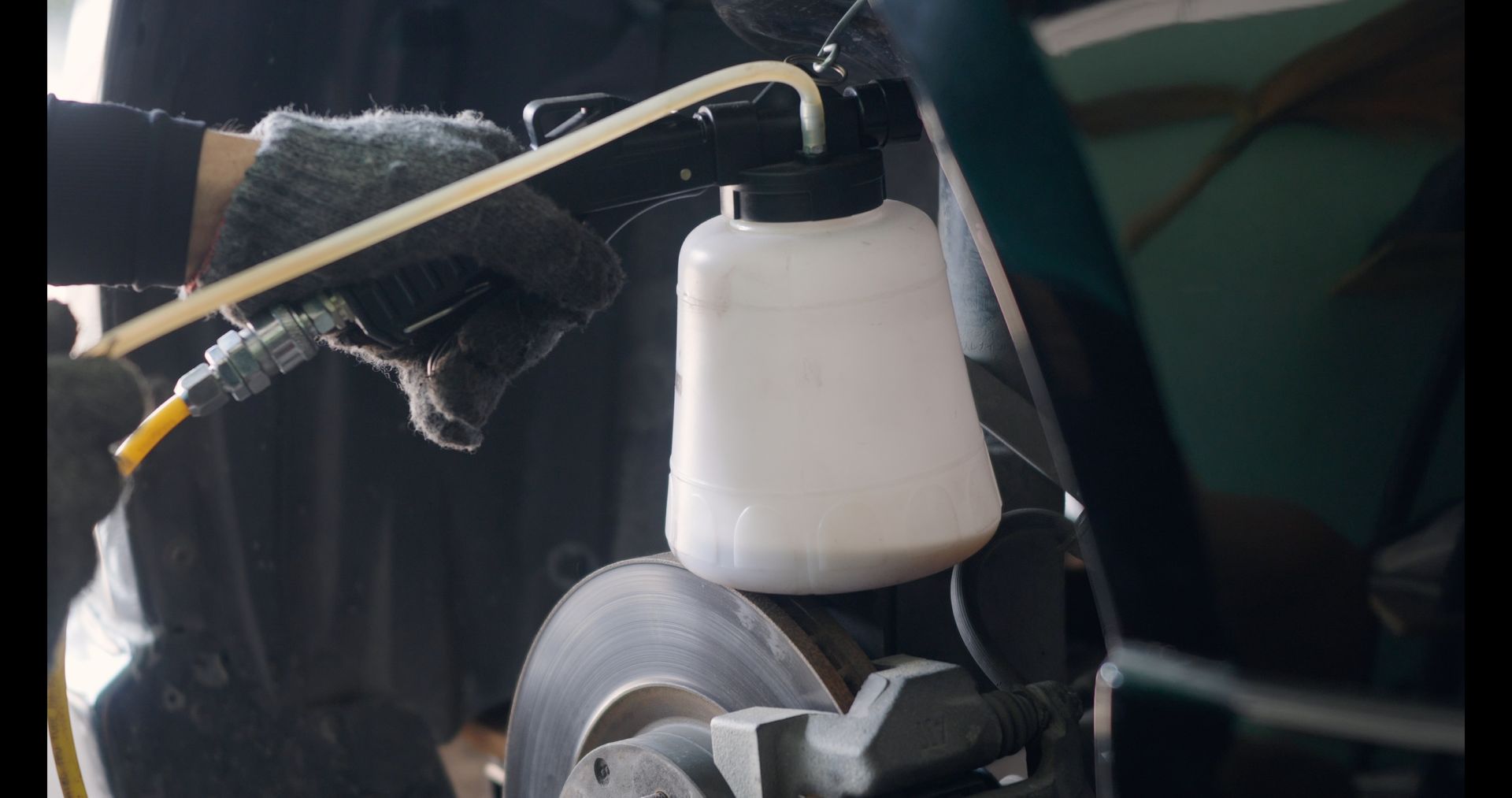
Regular maintenance should include brake fluid service at the proper interval and an inspection of rear brake components. Early attention to corrosion, damaged wiring, and uneven pad wear can prevent the parking brake from becoming stuck.
Get Electronic Parking Brake Repair In Broomfield, CO, With Rocky Mountain Car Care
Rocky Mountain Car Care in Broomfield, CO, can test the battery, parking brake switch, pedal inputs, control module, actuator motors, wiring, and rear calipers.