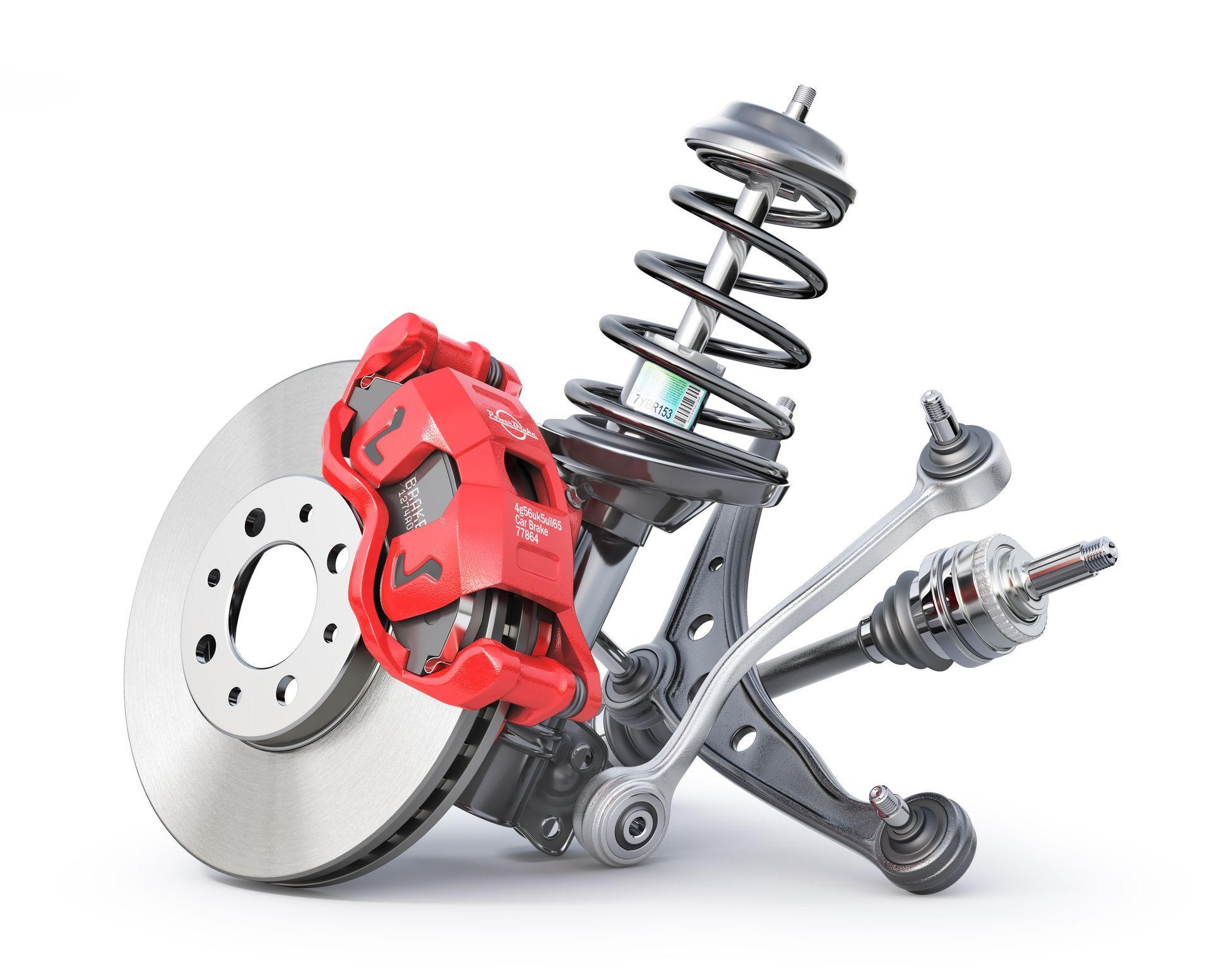
Suspension issues might seem minor compared to engine or brake concerns, but they have a significant impact on vehicle safety. Beyond making for a bumpy ride, a faulty suspension can affect handling, tire wear, and even braking ability. If your suspension system isn’t performing at its best, you’re not only risking comfort—you’re risking safety on the road. Let’s examine how suspension problems can jeopardize your vehicle’s performance and safety and how regular maintenance can make all the difference.
What is the Role of the Suspension System
Your car’s suspension system includes various parts like shocks, struts, springs, and control arms, all working together to absorb road impacts and maintain a stable connection with the road surface. In other words, the suspension system ensures that your tires remain grounded, providing you with smooth handling, balanced weight distribution, and better control, especially over bumps and uneven terrain.
When any part of the suspension system fails, it directly impacts vehicle handling, which can affect your response time in sudden situations. More than just comfort, the suspension system is integral to safe braking, cornering, and overall stability while driving.
1. Reduced Stability and Handling
A well-maintained suspension system allows you to keep control over the car even when the road isn’t perfect. However, when shocks and struts wear out, it reduces the stability of your car. You may notice excessive bouncing after hitting a bump or even body roll when making turns. If you’re fighting to keep the vehicle straight or feeling a lack of control when turning corners, your suspension could be the culprit.
Worn-out suspension parts increase the chance of accidents as they reduce your ability to steer effectively. Without solid contact with the road, you’re dealing with a loss of stability, which means reduced control and a slower reaction time—both crucial for preventing accidents.
2. Increased Braking Distance
You may not realize it, but the suspension system plays a big role in braking. As it helps to distribute the weight of the car evenly, the suspension system allows for better braking control. When your shocks or struts are compromised, your braking distance can increase significantly. In emergency situations, those extra few feet can make all the difference.
A worn suspension system can cause the front end of your car to dip during braking, which reduces tire contact with the road and increases stopping distance. This dip also affects your control, as the weight shift reduces traction on the rear tires, potentially causing the vehicle to skid or swerve. If you notice that it takes longer to stop than usual, or if your car tends to dip forward when you brake, it might be time to have your suspension checked.
3. Uneven Tire Wear
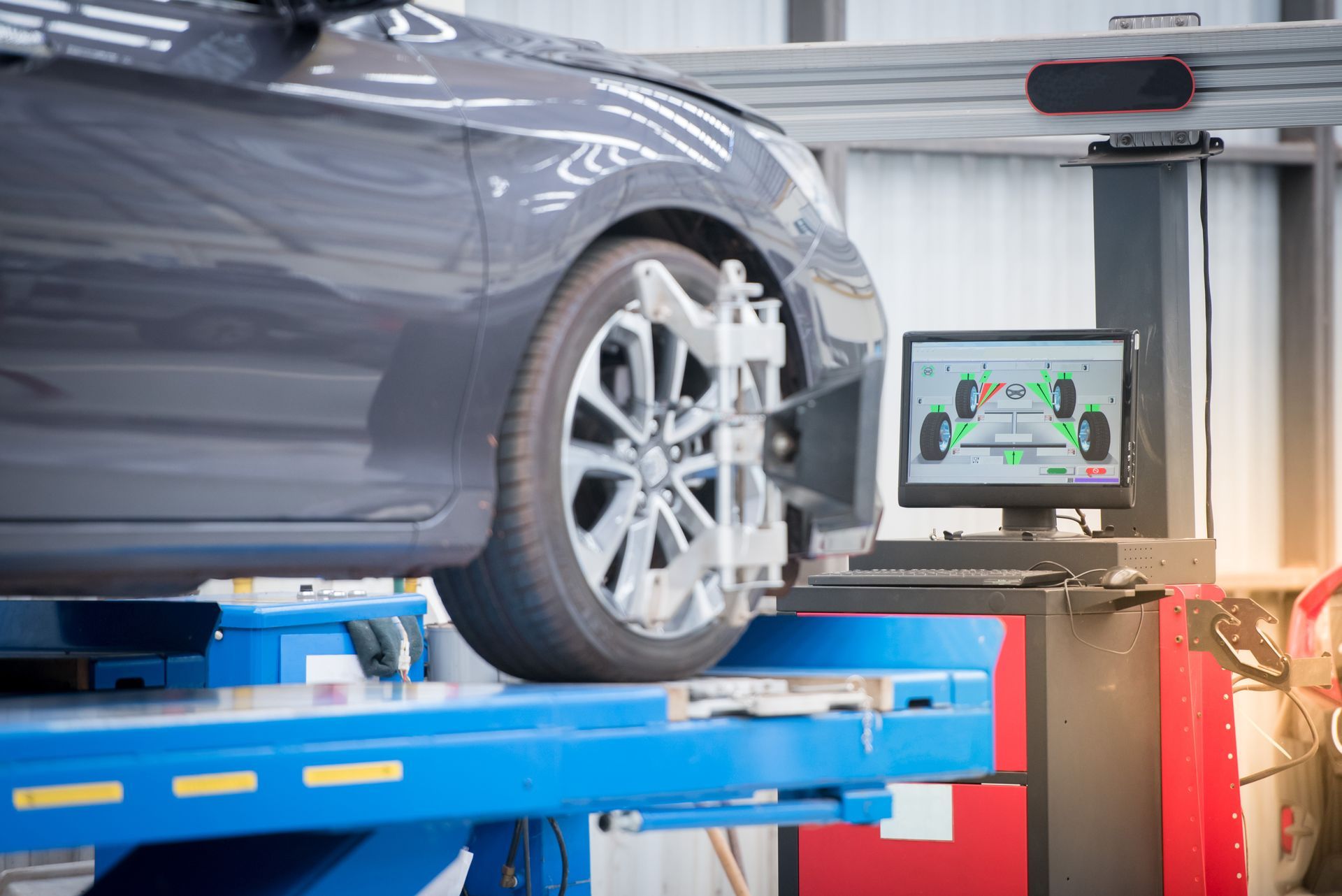
Tire health is another factor affected by the suspension system. When the suspension isn’t aligned correctly, or if one side is more worn than the other, it leads to uneven tire wear. This can reduce your tire lifespan, leading to more frequent replacements. But worse than that, uneven wear limits traction and stability, especially in wet conditions or when making sharp turns.
If you’ve noticed that your tires are wearing down faster on one side than the other, or if you see unusual patterns of wear, it’s likely your suspension system is out of alignment. This uneven wear not only shortens your tires’ life but also affects the vehicle’s safety by reducing grip and making it harder to handle the car.
4. Bouncy or Unstable Ride
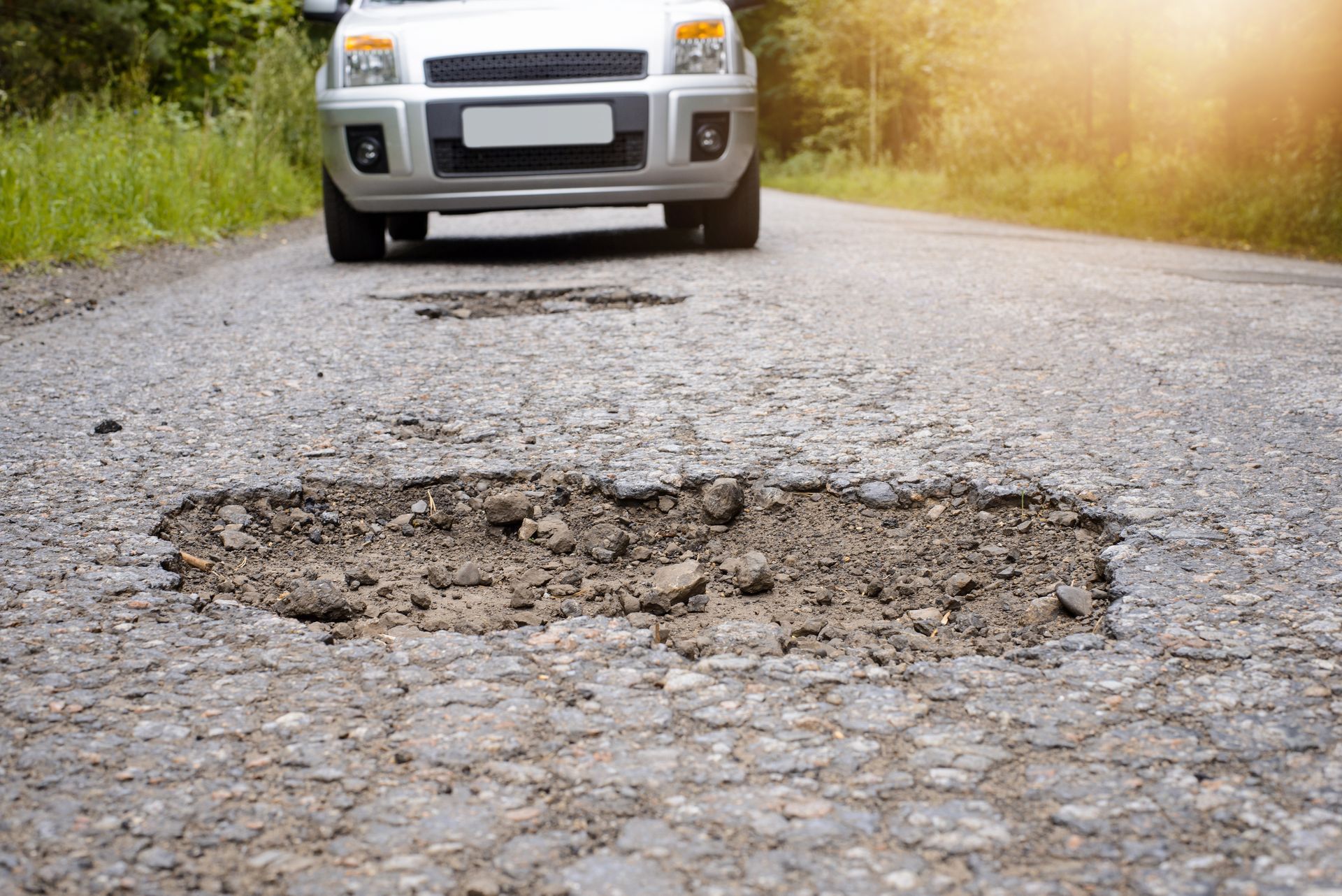
Feeling every bump on the road? Bounciness is one of the earliest and most obvious signs of suspension trouble. Shocks and struts are designed to absorb road impact, and when they’re not working correctly, your car may feel like it’s bouncing or swaying, especially at higher speeds. This kind of instability affects your comfort, but it also means your suspension can’t effectively absorb impact, leading to less control and higher chances of veering out of your lane.
A bouncy or unstable ride isn’t just uncomfortable; it’s a warning sign that your suspension can no longer handle the impact. If you feel like your car is harder to control after every bump, consider it a sign to check your suspension.
5. Suspension Problems Put Other Parts at Risk
When your suspension system isn’t functioning as it should, other parts of the vehicle can suffer from excessive strain. For example, a bad suspension can overburden your steering components, leading to potential wear and tear that could have been avoided. The extra vibration caused by a poor suspension setup can also impact the vehicle’s frame, ultimately adding to repair costs down the line.
Addressing suspension problems early can save not just your safety but your wallet. By maintaining a healthy suspension, you ensure that other car parts don’t suffer from unnecessary stress, prolonging their life and reducing your repair costs over time.
Signs Your Suspension Needs Attention
You might not always notice these impacts immediately, so it’s essential to look out for signs of suspension trouble. Here’s a quick checklist:
- Unusual tire wear or bald spots
- Bouncing or excessive swaying
- “Nose-diving” while braking
- Longer stopping distances
- Steering issues or drifting
If you’re noticing any of these symptoms, it’s wise to get a suspension inspection. A certified technician can identify the exact issue and recommend repairs before things get worse.
Rocky Mountain Car Care explains how suspension problems impact your vehicle's safety. Learn the signs and prevention tips to maintain optimal performance.