You turn the key and get a click instead of the engine starting. The battery was replaced recently, so surely the starter has failed. Except the lights were dim yesterday, and the car needed a jump last weekend. Starting problems are frustrating because the battery, alternator, starter, and wiring all affect what you hear at the ignition.
The sound and timing of the failure are worth paying attention to.
How the Battery, Starter, and Alternator Work Together
The battery stores the power needed to start the engine. When you turn the key or press the start button, the starter motor uses that power to crank the engine until combustion takes over. Once the engine is running, the alternator supplies electricity and helps restore the energy used for starting.
A failing alternator drains the battery over several drives, leaving the starter without enough power. A poor cable connection sometimes prevents a good battery from delivering its current. The starter itself can wear out and refuse to crank, even with a fully charged battery. We need to find where the starting process actually breaks down.
Slow Engine Cranking and Weak Battery Symptoms
A weak battery commonly makes the engine turn over more slowly than normal. You might hear the starter dragging, see the interior lights dim heavily, or notice the instrument panel reset during the attempt. In colder weather, a battery that's already near the end of its life struggles more because the engine is harder to turn and the battery supplies less power.
Rapid clicking is another common low-voltage symptom. The starter solenoid tries to engage, voltage collapses, and the process repeats. Loose battery terminals or a damaged ground cable produce the same clicking. If a jump-start gets the engine turning normally, low available power is likely involved. It still doesn't tell us why that power was missing.
The way the car reacts when you try to start it gives us several useful clues:
- Rapid clicking with dim dashboard lights
- One solid click without engine movement
- Strong cranking but no engine start
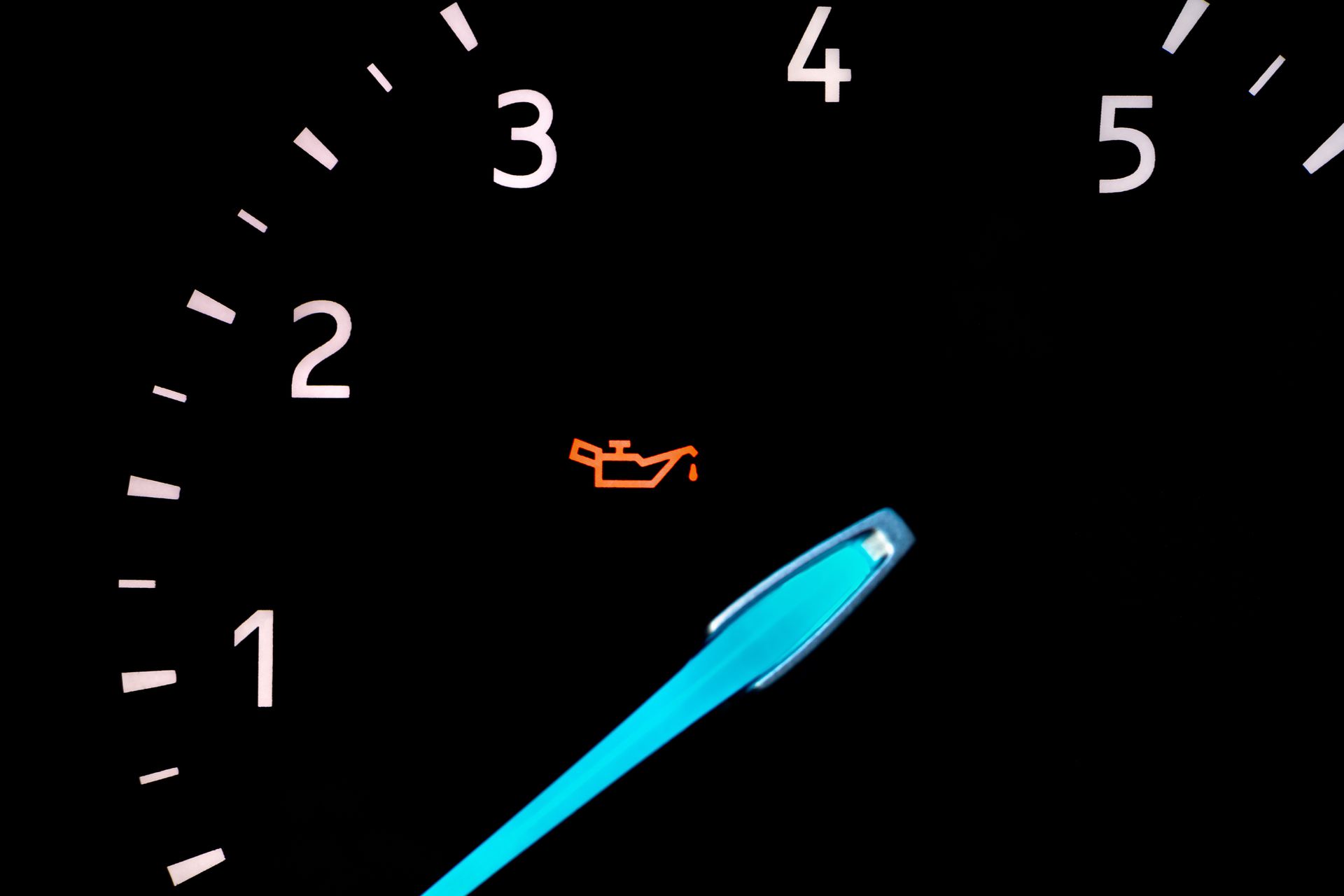
- The battery warning light appearing while driving
- Starting after a jump but failing again soon afterward
- Knowing which one happened first tells us where to begin testing.
Single Click but No Crank: Signs of Starter Failure
A failing starter sometimes gives you one solid click with no engine rotation. The dashboard and headlights stay bright, yet the engine won't turn over. Worn starter contacts, a failing solenoid, damaged internal brushes, or a motor that's beginning to seize can all create that behavior.
Intermittent starter problems are especially annoying. The car starts perfectly five times, then suddenly refuses after a quick stop at a gas station. Heat changes electrical contact inside the starter, which explains why some failures occur after driving rather than first thing in the morning. A single click isn't a guarantee that the starter is bad, though. You still need to check the battery cables, starter relay, and control circuits while the symptom is present.
Alternator Failure Symptoms Before the Battery Dies
An alternator usually doesn't make the starter fail directly. Instead, it allows the battery to run down because it isn't keeping the electrical system charged. Think back to whether the battery warning light came on during the previous drive, the headlights dimmed at a stop, or the accessories started cutting out.
Here's a useful difference: if a jump-start gets the car running but the engine soon stalls as electrical power runs low, charging trouble deserves immediate attention. A weak alternator often leaves the car dependent on whatever charge remains in the battery. Driving farther isn't a good test. Losing electrical power in traffic puts steering assistance and other important systems at risk. A proper charging test is safer than waiting to see how long it runs.
Engine Cranks but Will Not Start: Other Possible Causes
One important distinction gets missed all the time. If the starter turns the engine at a normal speed but the engine never fires, you've got a crank-no-start problem. The starter is doing its basic job. Now fuel delivery, ignition, engine sensors, immobilizer operation, or engine mechanical problems become more likely suspects.
A fuel pump that isn't building pressure or a failed crankshaft position sensor creates exactly that situation. Replacing the battery or starter won't fix it. Listen carefully to the difference between a motor that cannot turn the engine and an engine that turns normally but refuses to run. Telling us which one you're hearing makes the first diagnostic steps much more focused.
How Our Technicians Test the Starting and Charging Systems
We begin with battery charge and condition because accurate starter and alternator testing depends on having usable electrical power. Then we inspect terminals, cable connections, and grounds. During a cranking attempt, voltage-drop measurements and starter current draw help show whether the power is reaching the motor and whether the motor is responding properly.
If the engine runs, we test charging output under appropriate electrical loads and check charging system control. A scan for stored faults sometimes reveals voltage or starting authorization problems, particularly on newer vehicles. When the car starts only some of the time, recreating the failure is more valuable than testing it once while everything is working. The test results should match what you heard or felt when the car refused to start.
Diagnosing an Intermittent No-Start Problem
Pay attention to whether the problem appears after the car sits overnight or after a short stop with the engine hot. Notice whether you hear one click, repeated clicks, slow cranking, or normal cranking without ignition. Did the battery light come on during the previous drive? Did the car recently need a jump? Was the battery or starter replaced already?
Those details don't require special tools, and they can save considerable diagnostic time. Don't keep cranking the engine for long stretches or repeatedly jump-start a car with unexplained electrical problems. Excessive cranking can overheat starter components, and a charging failure can strand you again as soon as the battery runs low.
Get Starting System Diagnostics in Broomfield, CO, With Rocky Mountain Car Care
Rocky Mountain Car Care in Broomfield, CO, checks the battery, starter, alternator, and high-current connections when starting becomes unreliable.
Bring in the vehicle while the symptoms are still fresh, especially if the no-start comes and goes.